The sharp, electric shock of a sting can turn a peaceful afternoon in the garden or a quiet night at a campsite into a scene of panic. For most, it is a painful nuisance. For others, it is a race against a systemic shutdown. This guide, written from a clinical perspective for the American landscape, provides the exact protocols used by medical professionals to neutralize venom and manage recovery. We are moving beyond basic advice to give you a definitive action plan for the backyard and the backcountry. Get all the information about Emergency First Aid for Stings it here.
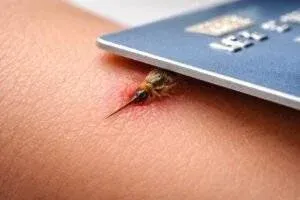
To treat an insect sting immediately, scrape the stinger away using a flat object like a credit card; avoid tweezers to prevent squeezing more venom. Wash the area with soap and water, apply a cold compress for 15 minutes to reduce swelling, and elevate the limb if possible.
Immediate Response:
The Critical First 60 Seconds
The moment venom enters your skin, a chemical cascade begins. Your body releases histamines, blood vessels dilate, and pain receptors fire at maximum capacity. Speed is your greatest ally here. Do not stop to look for the insect yet. Your priority is stopping the delivery of venom.
How to Safely Remove a Stinger (Scrape vs. Pull)
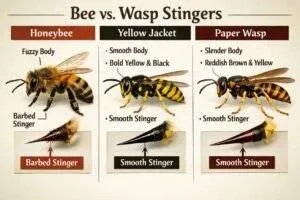
If a honeybee stung you, the stinger is likely still there. It is a remarkable, if morbid, piece of biological engineering. Even after the bee is gone, the detached venom sac continues to pulsate, pumping toxins into your tissue. You must act fast.
Many people instinctively reach for tweezers. Do not do this. Squeezing the stinger with tweezers or your fingertips acts like a plunger on a syringe, injecting every last drop of venom into your arm. Instead, use a flat-edged object. A credit card works perfectly. Use a firm, horizontal motion to scrape the stinger out of the skin. If you are in the woods without a wallet, use the back of a knife or even your own fingernail. The goal is to pop the stinger out from the side without compressing the sac.
The “Wash and Assess” Protocol
Once the stinger is out, find soap and water. Scrubbing the site does more than just prevent infection. It physically removes the “alarm pheromones” that many social insects, like yellow jackets, leave behind. These chemicals are essentially a “target here” signal for the rest of the hive. If you stay in the area with these pheromones on your skin, you are inviting a second wave of attacks.
After washing, pause. Assess your breathing. Check for hives. A local reaction—redness, swelling, and sharp pain—is normal. A systemic reaction is not. If you feel your throat tightening or your heart racing, the clock has changed.
Recognizing Anaphylaxis: When to Call 911 Immediately
Anaphylaxis is a severe, multi system allergic reaction. In the United States, insect stings account for nearly 22% of anaphylaxis cases treated in emergency rooms. You need to know the signs because they can escalate in minutes.
Watch for the “Triple Threat.” First, respiratory distress: wheezing, shortness of breath, or a feeling that your airway is closing. Second, circulatory collapse: a sudden drop in blood pressure that makes you feel dizzy, faint, or “out of it.” Third, skin reactions: hives or swelling that appear on parts of the body nowhere near the sting site. If you have an EpiPen, use it. If you don’t, call 911. Do not try to drive yourself to the hospital.
Identifying the Culprit: What Just Stung You?
In the US, most stings come from the order Hymenoptera. Understanding the biology of your attacker dictates how you treat the wound and how long your recovery will take.
Bee Stings: Honeybees vs. Bumblebees
Honeybees are the only ones that leave a stinger behind. Their venom is primarily acidic, containing melittin, which causes the initial burn, and apamin, which affects the nervous system. Bumblebees, conversely, are the gentle giants of the garden. They rarely sting unless stepped on or handled. However, if they do, they can sting multiple times. Their venom is potent but usually results in less lingering pain than that of their smaller cousins.
Wasp, Hornet, and Yellow Jacket Stings
These insects are the “repeat offenders” of the backyard. They have smooth stingers that do not detach. A single yellow jacket can sting you half a dozen times in a matter of seconds.
Yellow jackets are particularly dangerous for US homeowners because they are scavengers. They love the sugar in your soda and the protein in your trash can. Because they often nest in the ground, they are frequently disturbed by lawnmowers. If you hit a nest, drop the mower and run. Do not stop until you are inside a sealed building or vehicle.
Fire Ants: The Ground Level Danger
If you live in the Southern United States, you know the fire ant. They don’t just sting; they bite to get a grip and then pivot their abdomen to sting repeatedly in a circle. The venom is alkaloid-based. It causes a unique reaction: a small, white, pus-filled pimple (pustule) that appears about 24 hours later. As tempting as it is, do not pop these. Popping them introduces bacteria and can lead to permanent scarring or staph infections.
Scorpions and Spiders: Regional Threats
In the Southwest, specifically Arizona and New Mexico, the Bark Scorpion is a legitimate concern. Its sting is neurotoxic. For a healthy adult, it is excruciating but rarely fatal. For children or the elderly, it is a medical emergency. Unlike a bee sting, there is often very little swelling or redness at the site of a scorpion sting, but the area will be intensely sensitive to touch.
First Aid for the Backyard: Homeowner Solutions
The advantage of being at home is access. You have a laboratory’s worth of supplies in your pantry if you know what to look for.
Kitchen Staples That Neutralize Pain
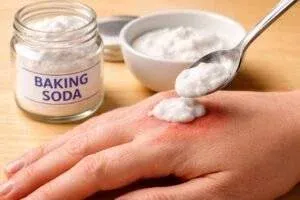
* Baking Soda Paste: This is the gold standard for honeybee stings. Because bee venom is acidic, a thick paste of three parts baking soda to one part water helps neutralize the pH balance of the wound. Leave it on for 15 minutes.
* Honey: It seems ironic to use honey for a bee sting, but it works. Honey has natural anti-inflammatory properties and enzymes that can speed up tissue repair.
* Witch Hazel: If you have this in your medicine cabinet, use it. It is a natural astringent that reduces the “fire” sensation of a wasp sting.
Managing Large Local Reactions (LLRs)
About 10% of people experience an LLR. This is when the swelling is massive—perhaps your entire forearm swells up from a sting on the finger. This is not necessarily an allergy, but it is uncomfortable. The key is cold therapy. Use a bag of frozen peas wrapped in a thin towel. Apply for 15 minutes, then remove for 15. This prevents “cold burn” while successfully constricting the blood vessels to keep the venom localized.
First Aid for the Trail: The Camper’s Survival Kit
When you are miles from the nearest trailhead, your priorities are stabilization and preventing the itch from driving you mad during a long hike.
Essential Supplies for Your Hiking Pack
A lightweight first aid kit for campers should include more than just bandages. You need chemical intervention. I recommend carrying a “Sting Packet” containing:
* Diphenhydramine (Benadryl): The fast-acting antihistamine. Take it immediately if you have significant swelling.
* Hydrocortisone Cream (1%): Apply this to stop the immune system from overreacting at the skin level.
* Alcohol Prep Pads: Use these to scrub the site and remove any lingering pheromones.
Natural Relief in the Wild
If you are caught without a kit, look to the ground. Broadleaf Plantain (Plantago major) is a common weed found across North America. If you can identify it, chew a leaf into a “spit poultice” and apply it to the sting. The chemical compounds in the leaf are remarkably effective at drawing out heat. If plantain isn’t available, find a source of cold water. Submerging the limb in a cold stream for 20 minutes can provide hours of relief by slowing down the inflammatory process.
Common Mistakes: What Never to Do After a Sting
I have seen patients come into the clinic with wounds worse from the “cure” than the sting itself.
First, stop using “Venom Extractor” pumps. These devices are marketing gimmicks. Clinical trials have repeatedly shown they do not remove a clinically significant amount of venom. In fact, the suction often damages the small capillaries near the surface of the skin, making the area more prone to bruising and infection.
Second, do not use heat. Some people suggest a hot spoon or a hairdryer. While heat can denature some proteins, it also increases blood flow to the area. Increased blood flow means the venom spreads faster and the swelling gets worse. Stick to cold.
Third, do not ignore “red streaks.” If you see a red line traveling up your arm from a sting site, go to the ER. This is not an allergy; it is a sign of an infection moving through your lymphatic system.
Dr. John’s Clinical Recovery Protocol
For the first 48 hours, I recommend a specific medical regimen to ensure the sting doesn’t “rebound” with intense itching on day two or three.
* The Dual Blocker Method: Take an H1 blocker (like Benadryl or Zyrtec) and an H2 blocker (like Pepcid/Famotidine). While Pepcid is for stomach acid, H2 receptors also exist in your skin. Using both “locks the doors” on the histamine response much more effectively than using one alone.
* Ibuprofen over Acetaminophen: Use Advil or Motrin. You need the anti-inflammatory properties of Ibuprofen. Tylenol will help with the pain, but it won’t do anything to stop the swelling.
* Elevation: If you were stung on the leg or arm, keep it above your heart. Gravity is your enemy when it comes to swelling.
Preventive Strategies: Keeping the Stingers Away
Prevention is not just about luck; it’s about management.
For homeowners, late summer is the dangerous season. This is when colonies are largest and natural food sources are dwindling. Check your eaves, shutters, and the area under your deck for “paper” nests. If you find a ground nest, do not attempt to pour gasoline down the hole. It is a fire hazard and an environmental disaster. Instead, use a pressurized foaming spray at night when the insects are dormant.
For campers, your clothing is your first line of defense. Avoid bright, floral patterns. Insects aren’t “attacking” you; they are often mistaking you for a flower. Stick to neutral earth tones like tan, olive, or grey. Also, be mindful of scents. That “tropical breeze” deodorant is an invitation for a curious yellow jacket to investigate.
Action Plan: Your 5-Step Response
* Retreat: Immediately move at least 50 feet away from where the sting occurred.
* Remove: Scrape the stinger out within the first 30 seconds if possible.
* Neutralize: Wash with soap and water; apply a baking soda paste or alcohol wipe.
* Cool: Apply a cold pack for 15 minutes to control the initial inflammatory surge.
* Monitor: Watch for systemic symptoms for at least 60 minutes.
If you found these tips helpful, follow our Facebook page for more health guides and outdoor safety protocols. We share weekly evidence-based tips to keep your family safe while enjoying the great outdoors.
Frequently Asked Questions
How do I know if I’m having an allergic reaction to a sting?
Watch for symptoms away from the sting site. If you have a sting on your foot but your eyes are swelling or you have hives on your chest, that is an allergic reaction.
Is it better to put ice or heat on an insect bite?
Ice is the only recommended treatment. Heat increases circulation and can worsen swelling and venom dispersion.
What is the fastest way to stop a sting from hurting?
The fastest relief comes from a cold compress combined with an oral anti-inflammatory like Ibuprofen.
Can I use vinegar to treat a wasp sting?
Yes. Wasp venom is slightly alkaline, so the acidity of vinegar or lemon juice can help neutralize the localized chemical reaction.
How long does a normal reaction to a bee sting last?
The sharp pain usually subsides within two hours. Redness and minor swelling typically peak at 48 hours and disappear within a week.
When should I see a doctor for a swollen insect bite?
See a doctor if the swelling is larger than four inches in diameter, if you see red streaks, or if you develop a fever.
What does a fire ant sting look like compared to a bee sting?
Fire ant stings turn into small, white, pimple like pustules within 24 hours. Bee stings are typically red, flat welts with a central puncture point.
Does Benadryl help with the pain of a sting or just the itch?
Benadryl targets the histamine response, meaning it is excellent for itching and swelling but has a minimal effect on the immediate burning pain