| Author | Dr. Alex Thorne |
| Credentials | Board-Certified Entomologist and Clinical Toxicologist |
| Author Bio | Dr. Thorne specializes in venom research and emergency first aid. |
| Medically Reviewed By | Dr. Elara Vance, M.D., F.A.C.E.P. (Board Certified Emergency Medicine) on October 25, 2025. |
| 🔑 Key Takeaways |
| Yes, mites do bite humans at night, often causing intense, mysterious itching and red bumps. The two main culprits are Scabies mites (which burrow into the skin and are severely active at night) and Bird/Rodent mites. Mites that feed on humans are often nocturnal or become active when the human host is stationary in bed. If you wake up with new, intensely itchy bites and find no evidence of bed bugs, a mite infestation—which is often microscopic and related to pets or nearby wildlife nests—is highly probable. |
Primary Mites that Bite Humans at Night
Mites are arachnids (related to spiders and ticks) that require microscopic analysis for definitive identification. Their feeding habits often make them nocturnal pests.
| Mite Type | Behavior/Mechanism | Symptoms & Clues |
| Scabies Mites (Sarcoptes scabiei) | Burrow into the skin to live and lay eggs. The rash is a severe allergic reaction to the mites and their waste. | Intense, relentless itching that is severely worse at night and after a warm shower. Look for thin, wavy burrow tracks on the wrists, webs of fingers, or waistline. |
| Bird/Rodent Mites | Feed on the blood of their primary hosts (birds, mice, rats) but will bite humans when the nest is abandoned or destroyed. | Bites are small, red, itchy welts that often appear in small clusters. The bites may suddenly start when a nearby animal nest dies off (e.g., in the chimney or attic). |
| Chiggers (Larvae) | Do not burrow but inject digestive enzymes. The intense itching often appears hours after outdoor exposure and becomes severe when the body warms up in bed. | Bites are usually clustered around tight clothing (waistband, sock line) but the symptoms are strongly felt at night. |
2. Why the Bites Are Hard to Diagnose
Mite bites are a common cause of “mystery bites” because the organism is rarely seen and often triggers a generalized allergic reaction that masks the exact location of the bite.
Microscopic Size: Most biting mites (except Ticks) are too small to be seen with the naked eye.
Delayed Reaction: The intense itching is often an allergic reaction to the mite’s saliva or burrowing, which peaks hours after the event, making it difficult to pinpoint the source.
Location: Unlike bed bugs, which hide in the bed frame, mites (especially bird/rodent mites) often hide in wall voids or bedding away from the immediate sleeping area.
3. Action Plan for a Suspected Mite Infestation
If you suspect mites (especially if the itching is worst at night), do not delay seeking professional advice.
Seek Medical Diagnosis: If you suspect Scabies, you must see a dermatologist immediately. Scabies is highly contagious and requires specific prescription scabicide creams to cure.
Environmental Inspection: If Scabies is ruled out, inspect the attic, chimney, vents, and walls for any signs of bird nests or rodent activity. Mites cannot survive long without their primary animal host, so the source must be eliminated.
Laundry and Cleaning: Wash all bedding, clothing, and upholstered items that contact the skin in hot water and dry on high heat. Use a HEPA filter vacuum on mattresses and carpets.

FAQs: Do Mites Bite Humans at Night?
1. Do mites really bite humans at night?
Yes, some mites—like bird mites, rodent mites, and chiggers—tend to bite more actively at night when humans are resting.
2. What do mite bites look like?
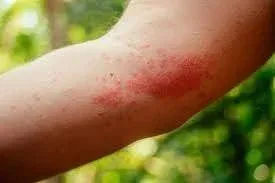
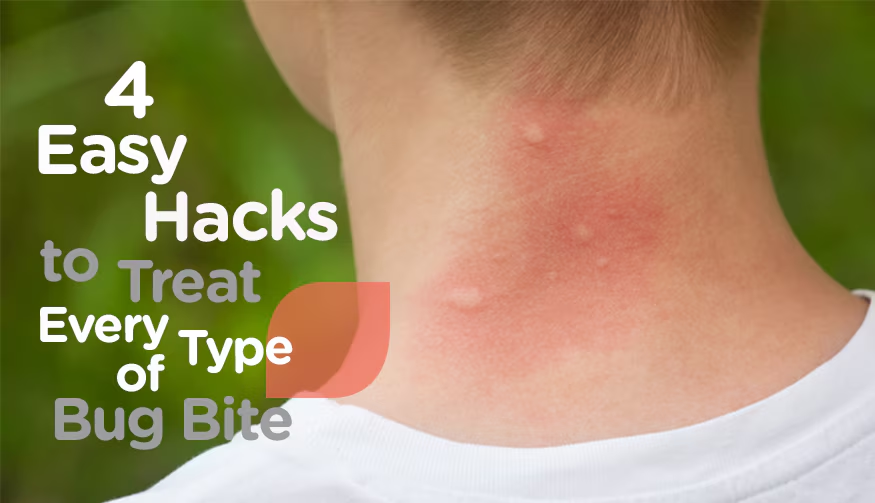
Mite bites usually appear as small, red, itchy bumps, often in clusters or scattered patches.
3. Which mites commonly bite humans?
Bird mites
Rodent mites
Chiggers
Dust mites (don’t bite but cause allergic reactions)
4. Why do mite bites itch more at night?
Itching can worsen at night due to warmer skin, less movement, and heightened skin sensitivity.
5. How do I treat mite bites?
Wash the area with soap and water
Apply anti-itch creams or calamine lotion
Take oral antihistamines for intense itching
Avoid scratching to prevent infection
6. How can I prevent mite bites at night?
Wash bedding regularly in hot water
Vacuum and clean carpets frequently
Address bird nests, rodents, or pests around the home
Use mattress and pillow protectors
7. When should I see a doctor?
Seek medical attention if bites spread rapidly, become infected, or are accompanied by fever or breathing issues.
Final Thoughts
Many mites are too small to see, yet they can cause itchy, uncomfortable reactions, especially at night when they are most active. Although not all mites bite humans, species like bird mites, rodent mites, and chiggers may feed or irritate the skin after dark. Identifying the cause and taking steps to treat bites—such as cleaning skin, using soothing creams, and removing the mite source—helps restore comfort quickly. If itching becomes severe or persistent, a healthcare provider or pest-control expert can help pinpoint the exact cause.