| Author | Dr. Alex Thorne |
| Credentials | Board-Certified Entomologist and Clinical Toxicologist |
| Author Bio | Dr. Thorne specializes in venom research and emergency first aid. |
| Medically Reviewed By | Dr. Elara Vance, M.D., F.A.C.E.P. (Board Certified Emergency Medicine) on October 25, 2025. |
| 🔑 Key Takeaways |
| A delayed allergic reaction to a mosquito bite is a common phenomenon that occurs hours or even days after the bite, resulting in an unusually large, firm, and persistent swelling (known as a Large Local Reaction or Skeeter Syndrome). This reaction is not immediate because the immune system takes time to mount its defense against the complex proteins in the mosquito’s saliva. While alarming, this large, delayed swelling is not dangerous and does not signify an anaphylactic allergy. Treatment requires aggressive anti-inflammatory measures: oral antihistamines and NSAIDs combined with cold compresses. |
Recognizing the Delayed Reaction (Skeeter Syndrome)
Skeeter Syndrome is the most common form of a large, delayed reaction to mosquito saliva proteins. It is generally a Type I or Type IV delayed hypersensitivity reaction.
| Feature | Description | Difference from Normal Bite |
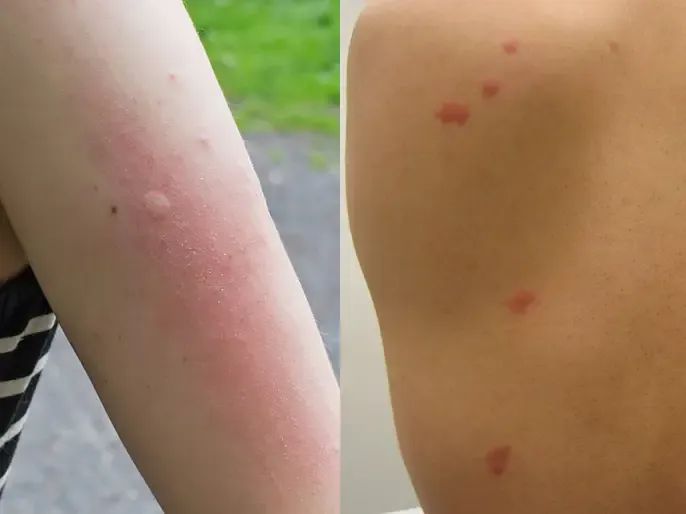
| Onset Timeline | Swelling and intense redness continue to worsen for 12–48 hours after the bite, peaking late. | Normal bites peak in swelling within minutes to a few hours. |
| Appearance | Large, firm, hot, and persistent swelling (often $> 4$ inches wide). May sometimes blister. | The swelling is significantly larger and harder than a normal welt. |
| Duration | The swelling is prolonged, often lasting 3 to 10 days before fully subsiding. | Normal bites resolve within a few days. |
| Sensation | Intense itching and localized pain or tenderness (feels like a bruise). | The prolonged nature of the swelling causes more discomfort. |
2. Treatment to Reduce Delayed Swelling
Since the reaction is a prolonged inflammatory event, intensive treatment is required to bring the swelling down.
Dual Oral Medication: Take a combination of Oral Antihistamines (e.g., Cetirizine) to block the histamine release and Oral NSAIDs (Ibuprofen) to reduce general inflammation and pain.
Topical Steroid: Apply a strong topical anti-inflammatory like 1% Hydrocortisone Cream to the bite site 2–3 times a day.
Cooling and Elevation: Apply a cold compress to the area and elevate the affected limb (if possible) to slow inflammation and reduce fluid accumulation.
Avoid Scratching: The prolonged itching increases the risk of the bite being scratched open, leading to a secondary bacterial infection.
3. When to Seek Medical Attention
Even though a delayed allergic reaction to a mosquito bite is usually harmless, you must monitor for two serious issues: true anaphylaxis and bacterial infection.
| Warning Sign | Danger/Indication | Action Required |
| Signs of Infection | Swelling that becomes intensely hot and rapidly spreads after 48 hours, accompanied by fever, pus, or red streaks (Cellulitis). | Requires immediate prescription antibiotics. |
| Systemic Anaphylaxis | Difficulty breathing, throat swelling, vomiting, or dizziness. | Call 911 immediately. LLR swelling does not transition into anaphylaxis, but a separate sting might trigger it. |
If you experience severe LLRs frequently, consult an allergist for diagnosis and potential desensitization therapy. See the American College of Allergy, Asthma & Immunology (ACAAI) resource on Skeeter Syndrome for more information on managing this condition.
FAQs
1. Why do some mosquito bites swell hours later?
Because your immune system reacts slowly to the saliva, causing delayed inflammation.
2. Is a delayed reaction dangerous?
Most are mild, but severe swelling or fever may indicate a stronger allergy.
3. Can mosquito bites cause blisters later?
Yes—blistering is common in delayed allergic responses.
4. Are children more likely to get delayed reactions?
Yes, because their immune systems are still developing.
5. Does a delayed reaction mean I’m allergic to mosquitoes?
Possibly—especially if bites become large, warm, and very swollen.
Final Thoughts
A delayed allergic reaction to a mosquito bite can look alarming, but it’s usually manageable with home treatment and antihistamines. Knowing what to expect—swelling, redness, itchiness hours or days later—helps you respond quickly and avoid complications. If symptoms worsen, spread, or become painful, consult a healthcare provider to ensure proper care.