| Author | Dr. Alex Thorne |
| Credentials | Board-Certified Entomologist and Clinical Toxicologist |
| Author Bio | Dr. Thorne specializes in venom research and emergency first aid. |
| Medically Reviewed By | Dr. Elara Vance, M.D., F.A.C.E.P. (Board Certified Emergency Medicine) on October 25, 2025. |
| 🔑 Key Takeaways |
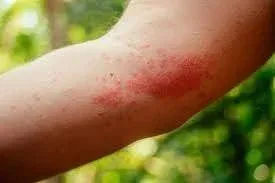
| Contact dermatitis is a rash caused by the skin touching an irritant (soap, detergent, chemicals) or an allergen (nickel, poison ivy). It often appears as a large, continuous patch of dry, flaky, or weeping skin. In contrast, Contact Dermatitis vs Insect Bites are discrete, swollen bumps or welts that are individual injection sites. A key clue is the pattern of the rash: dermatitis often follows the exact shape of what touched the skin (e.g., jewelry or shoe elastic), while insect bites are scattered randomly or in tight lines/clusters (e.g., flea bites). |
Key Differences in Pattern and Progression
| Feature | Contact Dermatitis (Rash) | Insect Bites (Local Reaction) |
| Cause | External Contact: Direct exposure to an allergen (e.g., poison ivy, nickel) or irritant (e.g., soap, bleach). | External Injection: Saliva or venom injected into the skin by an arthropod. |
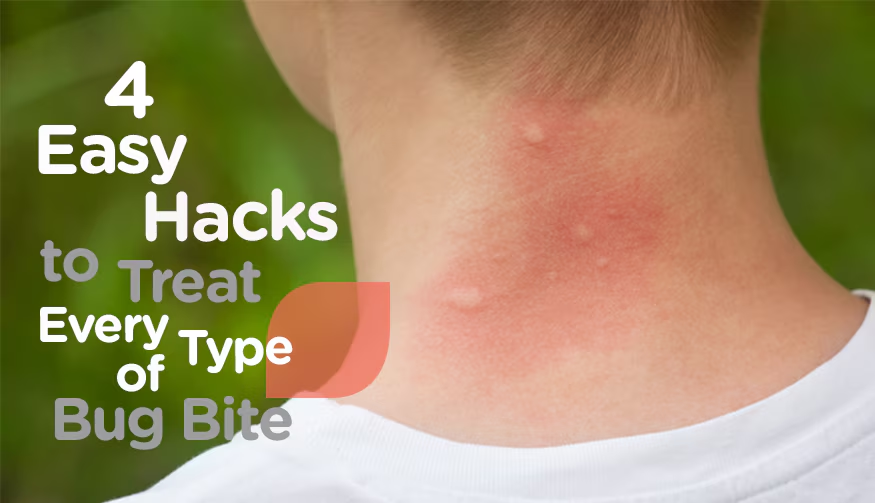
| Appearance | Diffuse patch of redness, dryness, flaking, or oozing/weeping blisters. The skin barrier is eroded. | Discrete bumps (papules) or welts. May have a visible center puncture mark. |
| Progression | Rash lingers for days to weeks until the allergen/irritant is removed. | Symptoms peak in 24–48 hours then subside within a few days. |
| Pattern | Often forms streaks or shapes mirroring the contaminated object (e.g., where a watch band or trouser cuff touched the skin). Contact dermatitis is often asymmetrical. | Random (mosquitoes) or linear (bed bugs/fleas). These small, local insect bites are easily identifiable individual spots. |

2. Types of Contact Dermatitis
Contact dermatitis reactions are categorized by their mechanism:
| Type | Cause | Reaction Onset |
| Irritant Contact Dermatitis | Direct damage to the skin’s outer layer (e.g., strong detergents, frequent washing with harsh soap). | Occurs quickly, often within minutes to hours of exposure. |
| Allergic Contact Dermatitis | Immune system develops an allergy to a substance (e.g., nickel, urushiol in poison ivy, fragrances). | Delayed (Type IV hypersensitivity), typically appearing 48 to 72 hours after contact. |
The characteristic rash of allergic contact dermatitis (such as Poison Ivy rash) involves redness, intense itching, and fluid-filled blisters that may be confused with severe insect bites.
3. Action Plan for Treatment
The treatment strategy for contact dermatitis focuses on healing the skin barrier and removing the trigger. The cure for insect bites focuses on stopping the inflammatory response.
| Step | Contact Dermatitis | Insect Bites (Uncomplicated) |
| First Action | Immediately identify and remove the offending allergen (clean jewelry, switch soap). | Wash the area with soap and water; apply a cold compress. |
| Topical Treatment | Topical Corticosteroid Creams (to reduce inflammation) and emollients/moisturizers (to restore the barrier). | Calamine lotion or Hydrocortisone cream (to ease itch). |
| When to See a Doctor | Rash is severe, widespread, or does not show improvement after three weeks of avoiding the trigger. | If the insect bites show signs of infection (pus, fever, red streaks). |
FAQs
Can insect bites cause dermatitis?
Yes — scratching can irritate skin and lead to dermatitis or infection.
Do insect bites appear in lines?
Yes, bed bugs and fleas often leave bites in rows or clusters.
Does lotion help contact dermatitis?
Yes — fragrance-free moisturizers can soothe irritation.
Does contact dermatitis itch more than bug bites?
Both itch, but dermatitis may burn or sting as well.
Final Thoughts
Contact dermatitis and insect bites can look similar, but knowing the differences helps you respond faster and avoid complications. If you suspect an allergy or symptoms worsen, seek medical help for proper evaluation and treatment. Its all about Contact Dermatitis vs Insect Bites.