| Author | Dr. Alex Thorne |
| Credentials | Board-Certified Entomologist and Clinical Toxicologist |
| Author Bio | Dr. Thorne specializes in venom research and emergency first aid. |
| Medically Reviewed By | Dr. Elara Vance, M.D., F.A.C.E.P. (Board Certified Emergency Medicine) on October 25, 2025. |
| 🔑 Key Takeaways |
| A hard, calcified lump that persists long after a suspected spider bite is typically not the bite itself, but a long-term immune response called a granuloma or a type of benign scar tissue (dermatofibroma). These lumps form when the immune system isolates persistent foreign material (such as insect venom components, saliva, or sometimes tick mouthparts) rather than an active infection. These lesions are generally harmless and non-cancerous, but require medical evaluation if they grow, become painful, or if the diagnosis is uncertain. |
Understanding the Long Term Lump (Granulomas and Fibromas)
Unlike the immediate swelling from a mosquito bite, a hard lump that remains for weeks or months after an arthropod bite is evidence of the body’s prolonged healing process.
| Type of Lump | Cause and Progression | Significance |
| Post-Bite Granuloma | A cluster of immune cells (macrophages) that the body forms to “wall off” a foreign substance it cannot eliminate (e.g., residual venom components, insect saliva, or, in rare cases, embedded insect parts). | These firm lumps are common long-term reactions to insect/tick bites. If it calcifies (hardens), it becomes less likely to resolve naturally. |
| Dermatofibroma | A small, firm, reddish-brown nodule (lump) made of fibrous tissue that develops in the skin’s deeper layers, often occurring as a long-term reaction to minor trauma, like an insect bite. | This is a benign scar tissue and is one of the most common hard lumps found on the legs after an injury. |
| Persistent Insect Bite Reaction | A solitary lump that remains red and itchy for several weeks to months, continuing to provoke the immune system. | Requires a potent topical steroid injection (administered by a dermatologist) to stop the chronic inflammatory cycle. |
2. When to Seek Medical Evaluation
While these persistent lumps are overwhelmingly harmless, a doctor needs to confirm the diagnosis to rule out rare or serious conditions that can mimic a bug bite reaction (e.g., skin cancer, chronic infection).
Consult a Dermatologist If:
- The Lump Persists: The hard lump remains or continues to grow more than a month after the initial bite has healed.
- Pain or Change: The lump becomes painful, tender, red, inflamed, or shows signs of rapid change in size or color.
- Diagnostic Confusion: The original lesion was a severe, necrotic wound (suggesting a Brown Recluse bite), and the current lump may contain residual, non-expelled tissue or fragments.

Treatment Options
- Observation: Most post-bite granulomas are left alone if they are painless, as they are benign and treatment can sometimes cause more scarring.
- Corticosteroid Injection: For persistent, itchy, or growing lumps (granulomas), a dermatologist may inject a corticosteroid directly into the lesion to reduce inflammation and shrink the nodule.
- Surgical Excision: For bothersome or cosmetically undesirable lumps (like dermatofibromas), complete surgical removal is an option, although this will leave a small linear scar.
3. General Care for Persistent Swelling
For any persistent swelling or inflammation that remains after the initial acute phase, simple measures should be continued under medical guidance.
| Action | Rationale |
| Cool Compress | Can help reduce long-term inflammation and associated itching. |
| Topical Steroids | Apply prescribed, stronger corticosteroid cream (if advised by a doctor) to the surface to attempt to shrink the inflammatory cells. |
| Avoid Manipulation | Do not squeeze or attempt to puncture the lump, as this can cause bleeding, infection, and worsen scarring. |
For the nature of granuloma formation following arthropod exposure, refer to the Healthdirect guide on Granulomas.
FAQs
1. Why is there pus coming from a spider bite?
Pus usually means the bite is infected. Bacteria can enter the skin after a bite, especially if scratched, leading to inflammation and pus formation.
2. What should I do if a spider bite has pus?
Follow these steps:
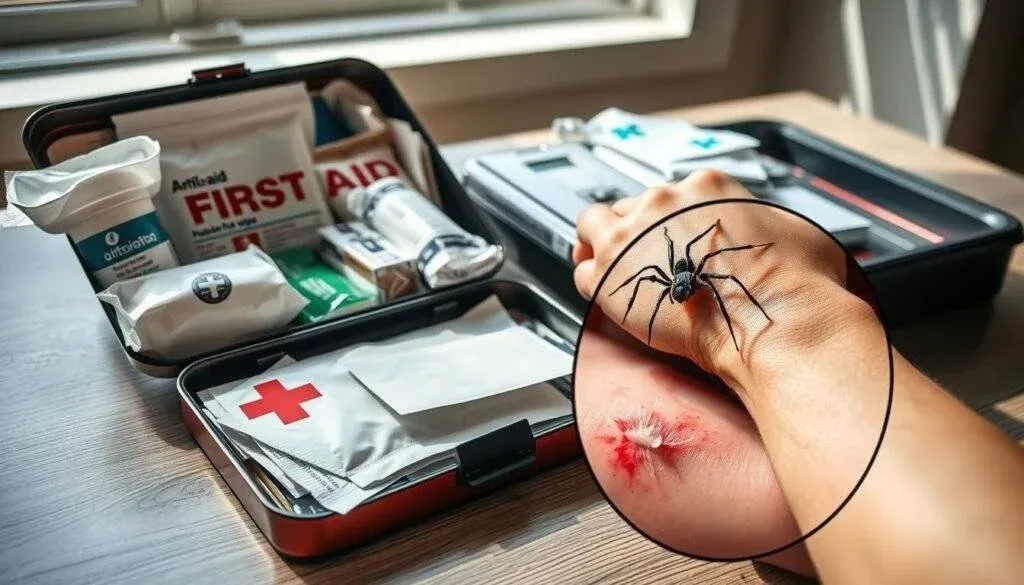
Clean the area with mild soap and water
Apply a warm compress to help drainage
Use an antibiotic ointment
Cover with a clean bandage
Avoid squeezing the area, as this can spread infection deeper.
3. Can I pop a spider bite that has pus?
No. Do not pop or squeeze it. Doing so can push bacteria deeper, increase swelling, and risk a serious infection like cellulitis or MRSA.
4. When should I see a doctor for a spider bite with pus?
Seek medical care if you notice:
Spreading redness or streaking
Fever or chills
Severe swelling or pain
Increasing pus
Hard lump under the skin
Bite not improving in 48 hours
These may indicate a serious infection.
5. What medications help an infected spider bite?
Doctors may prescribe:
Topical or oral antibiotics
Pain relievers
Steroids for swelling
Never take antibiotics without medical guidance.
6. Can a spider bite turn into MRSA?
Yes, MRSA infections are often mistaken for spider bites and can occur at the bite site. If the area becomes extremely painful, forms a large abscess, or worsens quickly, seek urgent care.
7. What home remedies help a mild infected spider bite?
You may try:
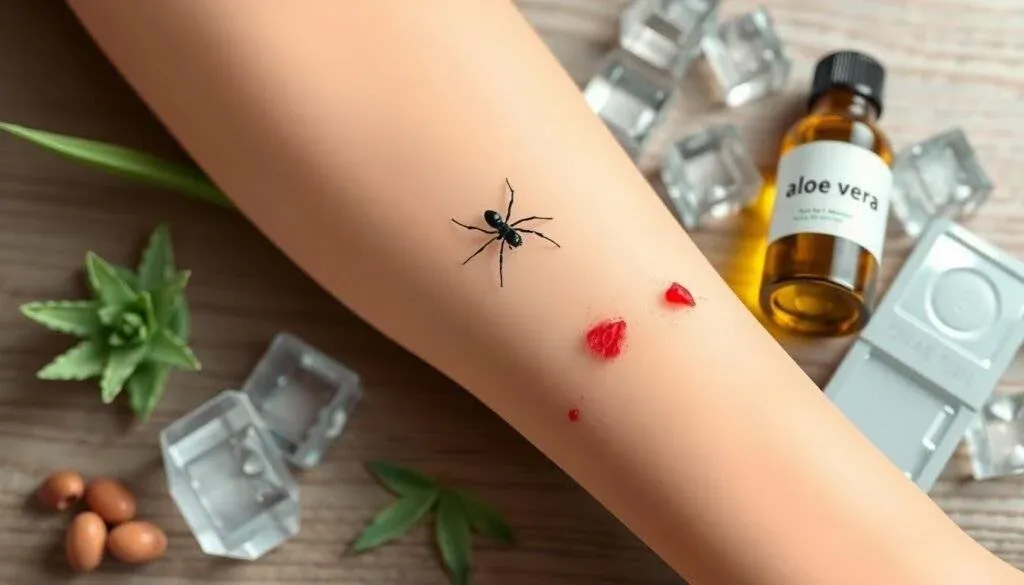
Warm compresses
Tea tree oil (diluted)
Honey as a natural antibacterial
Aloe vera for soothing
Only use home remedies for mild symptoms. If symptoms are moderate or worsening, go to a doctor.
Conclusion
Pus from a spider bite is a clear sign of infection and should be taken seriously. Begin by gently cleaning the area, applying antibiotic ointment, and covering it with a bandage. Avoid squeezing the bite, as this can worsen the infection or spread bacteria deeper into the skin. Watch closely for warning signs such as increased redness, severe pain, fever, or spreading streaks these indicate it’s time for medical attention. With proper treatment and care, most infected spider bites heal well and complications can be avoided.