| Author | Dr. Alex Thorne |
| Credentials | Board-Certified Entomologist and Clinical Toxicologist |
| Author Bio | Dr. Thorne specializes in venom research and emergency first aid. |
| Medically Reviewed By | Dr. Elara Vance, M.D., F.A.C.E.P. (Board Certified Emergency Medicine) on October 25, 2025. |
| 🔑 Key Takeaways |
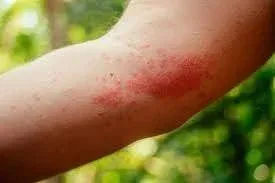
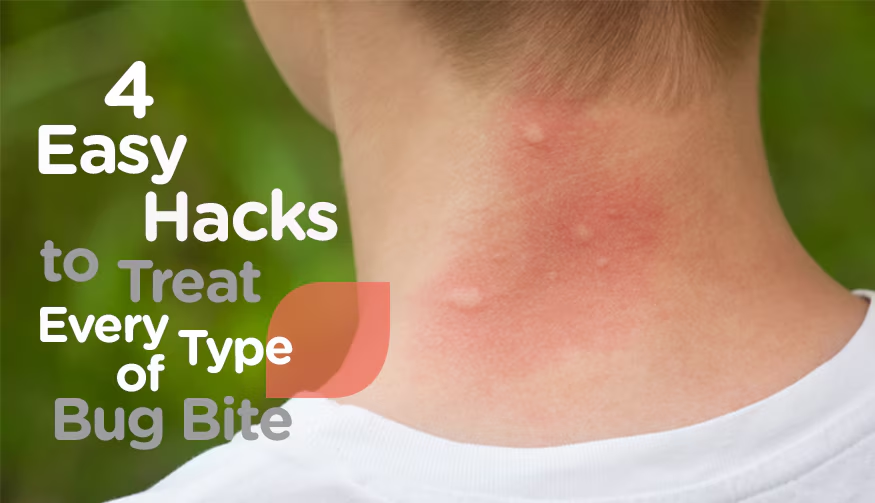
| Bug bites that swell up like a knot—meaning they are hard, firm, and persistent—are usually caused by an intense, localized inflammatory reaction to the insect’s saliva or venom. The most common culprits are Mosquitoes (in highly sensitive individuals, known as Skeeter Syndrome), Biting Flies (like Horseflies or Deerflies), and Bee/Wasp stings. This hard swelling is caused by a dense build-up of immune cells and fluid. While usually not dangerous, any bite that swells severely, prevents movement, or is accompanied by fever requires immediate medical evaluation. |
Primary Causes of Hard, “Knot-Like” Swelling
The firmness of the swelling is due to the body aggressively isolating the foreign substance (saliva/venom) injected by the insect, creating dense edema and immune cell clusters.
| Insect | Venom/Saliva Effect | Key Characteristics of Swelling |
| Mosquitoes (Severe Allergy) | High concentration of foreign proteins in saliva (often called Skeeter Syndrome). | Swelling can be large (up to 4 inches), red, hot, and feel firm underneath the skin. Takes days or weeks to resolve completely. |
| Biting Flies (Horseflies, Deerflies) | Deep, painful bite that draws blood; saliva contains anticoagulants and irritants. | Swelling is often immediate, firm, and widespread around the bite site due to the severity of the wound and reaction. |
| Bees and Wasps (Stings) | Injection of venom into the tissue. | Swelling is firm and painful. This is often the body’s large local reaction, which can spread and feel hard but is typically not life-threatening. |
| Spiders/Infections | Bacterial entry (from scratching) or cytotoxic venom (Brown Recluse). | A firm, hard lump that progresses quickly or is accompanied by pus, warmth, and increasing pain may be a bacterial abscess (a pus-filled knot) or early necrosis (tissue death)—both requiring urgent care. |
2. Managing the Hard Swelling
The goal is to suppress the body’s overzealous inflammatory response to reduce the size and hardness of the lump.
| Action | Rationale | Note |
| Anti-Inflammatory Medication | Take Oral NSAIDs (Ibuprofen) and Oral Antihistamines (like Cetirizine). | This dual approach is essential: NSAIDs fight the inflammation causing the firm knot, and antihistamines fight the itch/allergy. |
| Cold Compress/Ice | Apply a cold compress or ice pack for 10–15 minutes several times a day. | Cold constricts blood vessels, helping to reduce the fluid accumulation (edema) that makes the lump feel firm. |
| Elevation | If the bite is on a hand or foot, elevate the limb above the heart level. | Uses gravity to drain fluid and reduce swelling severity. |
| Topical Cream | Apply 1% Hydrocortisone Cream to the surface of the bite. | Suppresses the localized allergic/inflammatory reaction in the top layers of the skin. |
3. When to Seek Medical Attention
While severe local swelling is usually harmless, there are specific signs that indicate the swelling is dangerous or infected.
- Fever and Pus: If the lump becomes hot to the touch, drains pus, or is accompanied by a fever—this indicates a serious bacterial infection (Cellulitis) that needs prescription antibiotics.
- Inability to Bend Joint: If the swelling is so large and firm that it restricts the movement of a joint (like a finger or elbow).
- Systemic Symptoms: If dizziness, difficulty breathing, or swelling of the throat/face occurs (signs of anaphylaxis).
- Progression to Necrosis: If the lump develops a deep purplish or black center (potential Brown Recluse necrosis).
For individuals who experience severe swelling from mosquito bites (Skeeter Syndrome), consult a dermatologist or allergist. See the American College of Allergy, Asthma & Immunology (ACAAI) resource on Skeeter Syndrome.

FAQs
1. What causes bug bites that swell up like a knot?
Some people react strongly to insect saliva or venom, causing bug bites that swell up like a knot due to immune response and histamine release.
2. Which bugs cause hard swollen bites?
Mosquitoes, fire ants, fleas, horseflies, and some spiders can create bug bites that swell up like a knot, especially in sensitive individuals.
3. Are bug bites like knots a sign of allergy?
Yes — bug bites that swell up like a knot often indicate a localized allergic reaction, known as skeeter syndrome (mosquito allergy).
4. How long do swollen knot-like bites last?
Swelling can last hours to several days depending on your immune response, the bug type, and treatment.
5. How do I treat bug bites that swell into knots?
Use:
Ice packs
Oral antihistamines
Topical hydrocortisone or calamine
Elevation to reduce swelling
Avoid scratching to prevent infection.
6. When should I seek medical help?
See a doctor if swelling spreads, breathing difficulty occurs, or pain increases — symptoms of a severe allergic reaction.
Final Thoughts
Getting bug bites that swell up like a knot can be alarming, but most cases are due to a normal or mild allergic reaction to insect saliva or venom. If you frequently notice bug bites that swell up like a knot, take preventative measures outdoors, treat bites quickly, and monitor for severe symptoms. When swelling becomes intense or widespread, medical attention helps ensure safety and faster recovery.