| Author | Dr. Alex Thorne |
| Credentials | Board-Certified Entomologist and Clinical Toxicologist |
| Author Bio | Dr. Thorne specializes in venom research and emergency first aid. |
| Medically Reviewed By | Dr. Elara Vance, M.D., F.A.C.E.P. (Board Certified Emergency Medicine) on October 25, 2025. |
| 🔑 Key Takeaways |
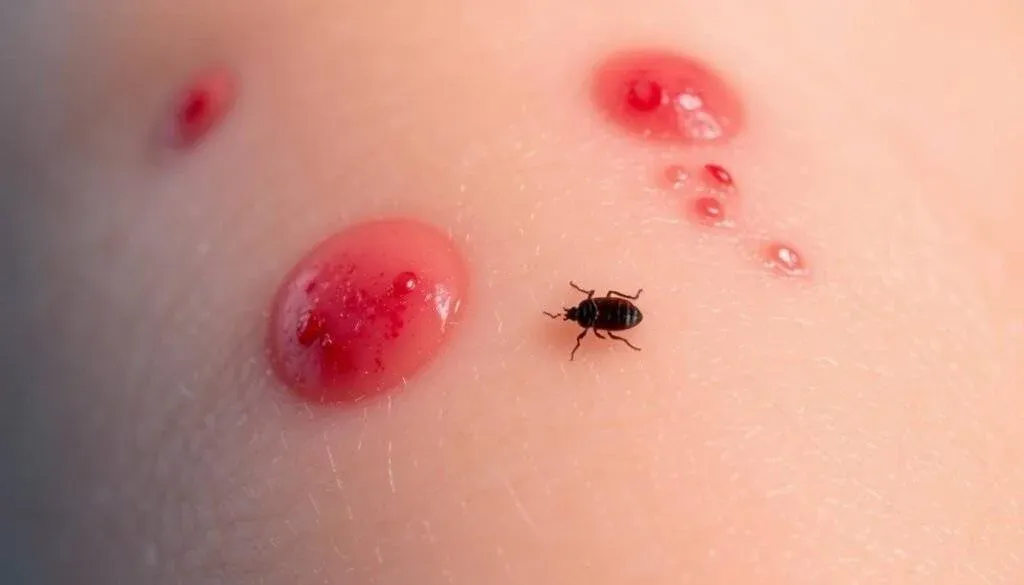
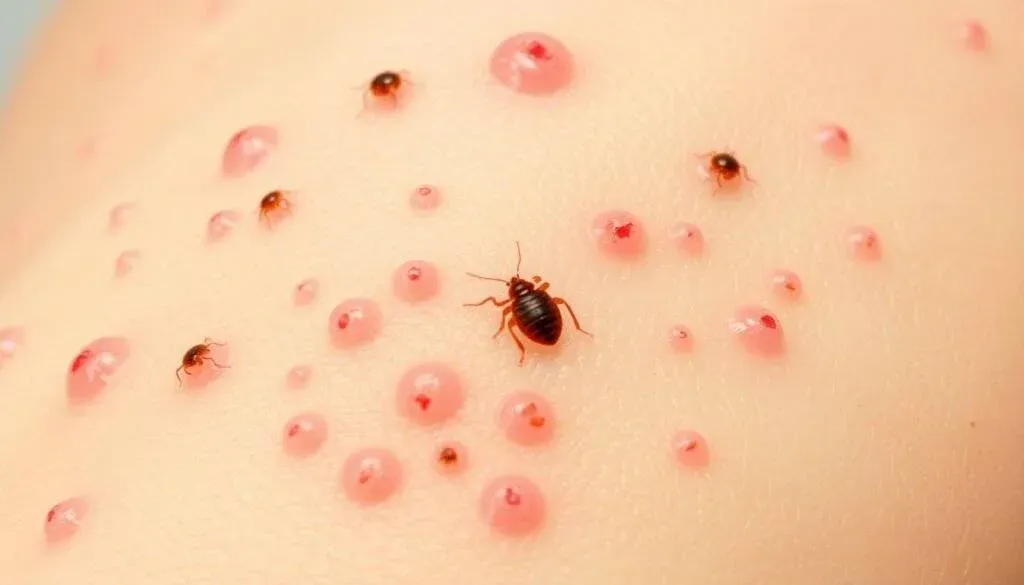
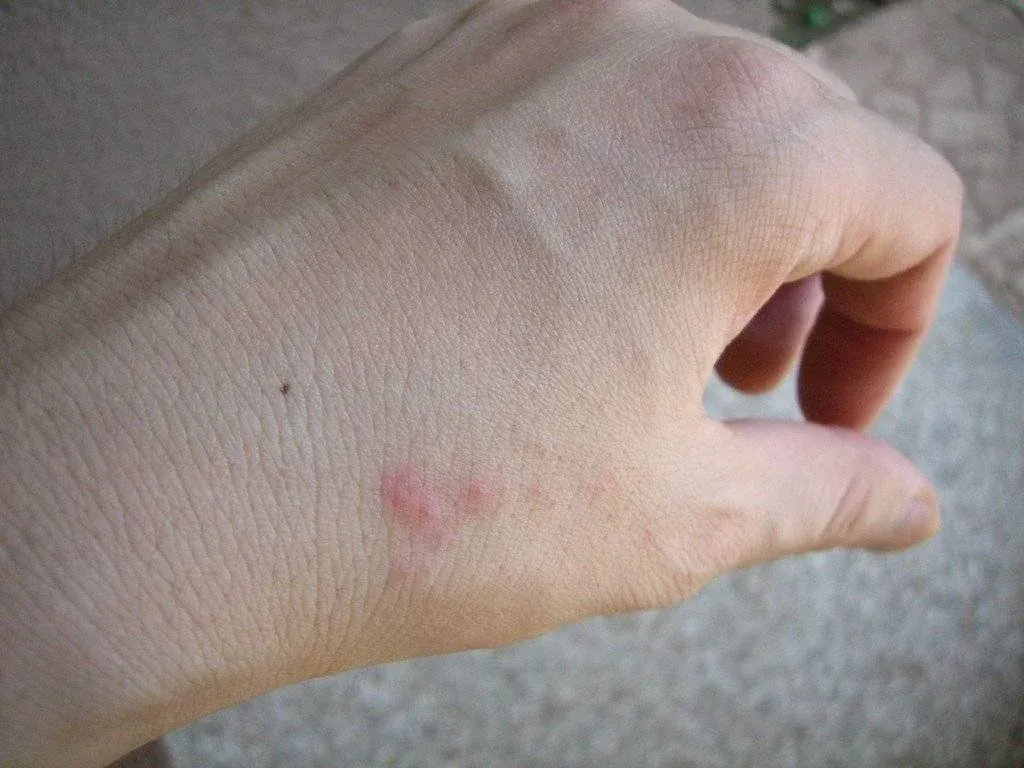
| Bug bites in a straight line or cluster are the signature signs of Bed Bugs or Fleas. This pattern is often referred to as the “breakfast, lunch, and dinner” sign. Bed Bugs are the most likely culprit for bites in a straight line because they move slightly while probing the skin to find a blood vessel, and their bites are concentrated on exposed skin (arms, neck). Fleas often leave bites in clusters of three or more on the lower legs and ankles after jumping onto a host from the floor. A third possibility is Chiggers, whose bites cluster around areas where clothing is tight. |
Primary Culprits and Characteristic Patterns
The clustered or linear pattern occurs because the insect is interrupted or simply repositions itself slightly without fully detaching from the host.
| Pest | Characteristic Pattern | Location & Activity Clue |
| Bed Bugs (Cimex lectularius) | Straight line, tight cluster, or zigzag pattern (the most definitive linear pattern). | Bites occur only at night while the host is stationary. Found on exposed skin (arms, neck, back, face). |
| Fleas | Clusters of three or four (often close together) or scattered clusters. | Bites occur near the floor (ankles, lower legs) or where pets sleep. |
| Chiggers (Larvae) | Dense clusters of tiny, pimple-like bumps. | Concentrated where clothing is tight (waistband, sock line) after being outdoors in tall grass. |
| Mosquitoes (Multiple) | Random clusters of bites. | Multiple mosquitoes may feed in the same area if the host is stationary, but the individual welts will be scattered, not in a strict line. |
2. Differentiating Linear Bites (Bed Bugs vs. Others)
The linear pattern is the strongest clue for identifying the source of bites.
Bed Bugs: The line is formed by a single bug taking multiple probes as it attempts to secure a full blood meal. This pattern is usually definitive for a bed bug infestation, especially if found on the face, neck, or arms.
Fleas: Flea bites usually look like multiple individuals jumping onto the host and biting in one area, resulting in a more randomly scattered cluster rather than a clean line. However, they can form small, close-set lines.
Other Conditions: The pattern of three in a row can also be caused by an early stage Shingles rash or Folliculitis (infected hair follicles), so pattern alone is not 100% conclusive.
3. Action Plan: Confirming Infestation
Since treatment for bed bugs involves professional extermination, confirmation is necessary before taking drastic steps.
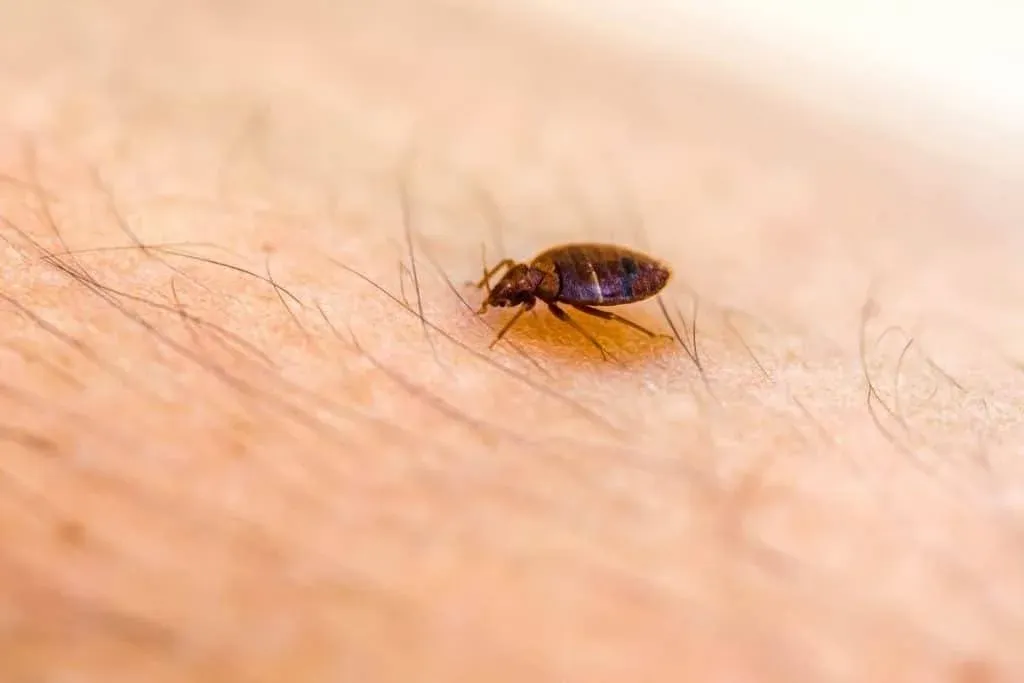
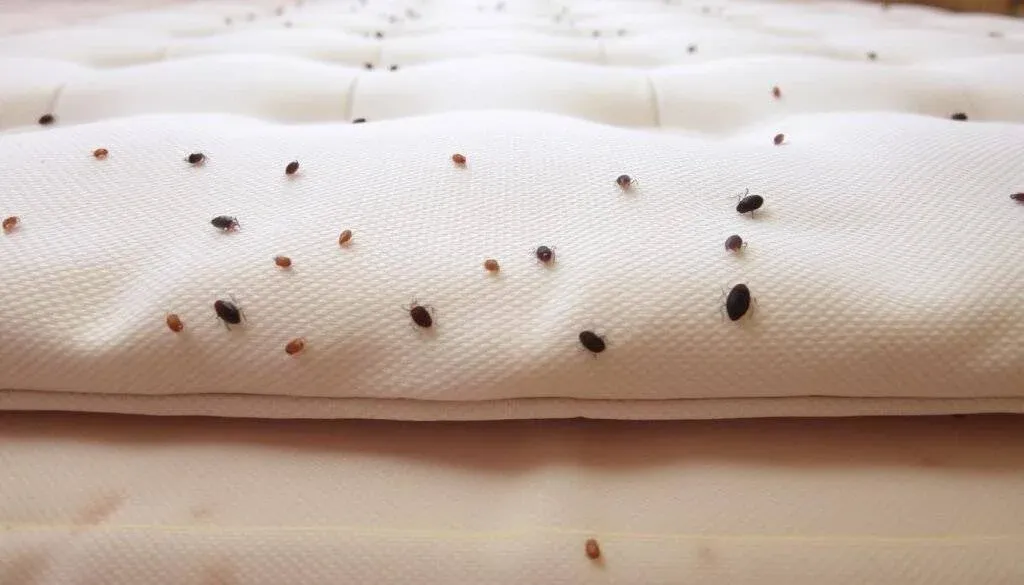
Search for Evidence: If the bites are linear, search the bed environment immediately for the true signs of bed bugs: dark, rust-colored fecal spots (excrement) on mattress seams, shed skins, or live bugs (flat, apple-seed sized).
Treat Symptoms: Treat the rash with an oral Antihistamine and topical Hydrocortisone cream to calm the allergic reaction and prevent secondary infection from scratching.
Clean Clothing: If fleas or chiggers are suspected, wash all bedding and clothing in hot water and dry on high heat.
If physical evidence of bed bugs is found, contact a licensed pest control professional, as DIY methods are usually ineffective.
For guidance on identifying the evidence of the most common linear biting pest, consult the CDC guide on Bed Bugs.
FAQs
1. What bugs bite in a straight line?
Bed bugs are known for the “breakfast, lunch, and dinner” pattern—a straight or zigzag line of 3–5 bites.
2. What bugs cause clustered bites?
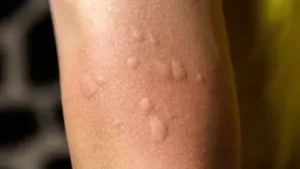
Fleas and mosquitoes commonly cause clusters of small, itchy red bumps.
3. Do bed bug bites always appear in a line?
No. While lines are common, bed bug bites can also appear in clusters or randomly.
4. How do I know if the bites are from fleas?
Flea bites usually appear around the ankles and lower legs, and they’re extremely itchy.
5. Why do mosquito bites form clusters?
Mosquitoes often bite multiple times in one area before finding a good blood vessel.
6. Are clustered bites always a sign of infestation?
Not always, but repeated clusters or lines over several days may indicate a pest problem.
7. Should I see a doctor for bites?
Seek medical attention if you have severe swelling, signs of infection, fever, or difficulty breathing.
8. Can scratching these bites make them worse?
Yes. Scratching increases irritation and can lead to infection or scarring.
Final Thoughts
Seeing bug bites in a straight line or cluster can be concerning, especially when you don’t know what caused them. These patterns are strong clues pointing to common pests like bed bugs, fleas, and mosquitoes. Understanding the bite pattern, timing, and symptoms helps you identify the culprit and choose proper treatment. Keeping your living spaces clean, washing bedding regularly, and using pest-control measures can help prevent repeat bites. If bites continue appearing or symptoms worsen, seeking professional pest advice or medical care ensures you stay safe and comfortable.