| Author | Dr. Alex Thorne |
| Credentials | Board-Certified Entomologist and Clinical Toxicologist |
| Author Bio | Dr. Thorne specializes in venom research and emergency first aid. |
| Medically Reviewed By | Dr. Elara Vance, M.D., F.A.C.E.P. (Board Certified Emergency Medicine) on October 25, 2025. |
| 🔑 Key Takeaways |
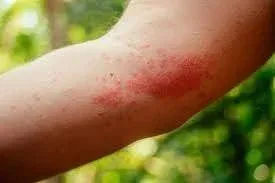
| Bites concentrated only on the arms and shoulders strongly suggest a pest that feeds on exposed skin during the night or a persistent daytime biter. The most common cause is Bed Bugs, as these areas are frequently exposed when sleeping and the bites often appear in their signature linear cluster. Other possibilities include Mosquitoes (especially if active indoors at night) or an allergic reaction to fabric (Contact Dermatitis) on the shoulders and upper back. It is critical to inspect the mattress and headboard immediately for signs of bed bugs. |
Primary Causes for Upper Body Bites
Insects that target the upper body are usually flying pests or those that emerge from the immediate sleeping area, such as the mattress, pillows, or headboard.
| Pest | Appearance/Pattern | Key Clue for Diagnosis |
| Bed Bugs (Cimex lectularius) | Linear clusters (“breakfast, lunch, and dinner”) or random groups of red welts. | Timing: Bites occur only at night while sleeping. Location: Concentrated on shoulders, arms, neck, and upper back (exposed skin). |
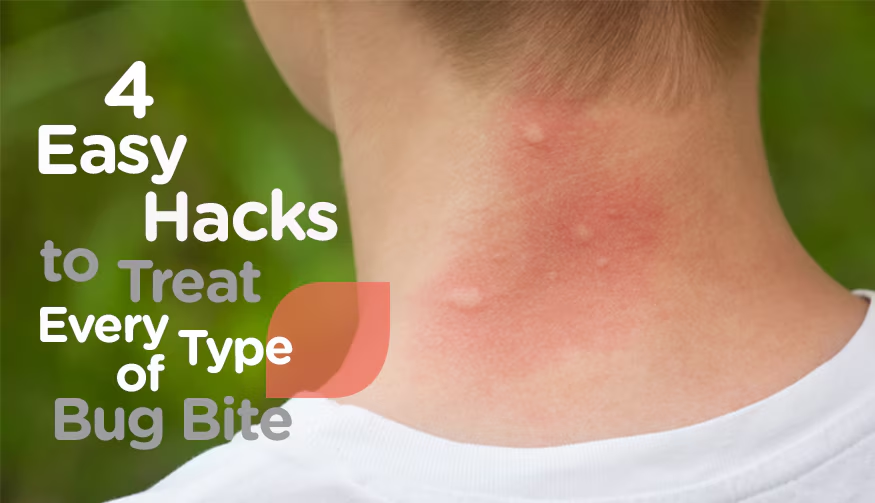
| Mosquitoes / Gnats | Scattered, random, puffy welts. | Source: Mosquitoes often enter rooms at night and target exposed areas. Gnats/Midges are often active near windows or light sources. |
| Spiders | Usually a single, isolated, often painful red bump. | Pattern: Only one bump (bites are rare). Multiple lesions rule out a typical spider bite. |
| Bird/Rodent Mites | Tiny, intensely itchy red welts, often appearing in lines or clusters. | Source: Mites migrate indoors from abandoned nests in the attic or chimney near the bedroom. |
2. Non Insect Conditions to Rule Out
If you are certain there are no visible pests, the bumps may be caused by an inflammatory skin condition.
Contact Dermatitis: A rash caused by an allergy to a substance rubbing the shoulder area (e.g., new laundry detergent, fabric softeners, or a new shirt material).
Clue: The rash is usually flaky, dry, or a continuous patch that follows the line of clothing, lacking a central bite mark.
Folliculitis: Infection of the hair follicles, often presenting as small, acne-like bumps on the shoulders or upper back.
Clue: The bumps are pus-filled pimples and center around a hair shaft; they are usually tender or painful, not intensely itchy.
Hives (Urticaria): A transient rash of welts caused by stress, food, or medication.
Clue: The welts disappear completely within a few hours and then may reappear elsewhere.

3. Action Plan for Investigation
The critical next step is to confirm the presence of bed bugs, as they require professional treatment.
Inspect the Bed: Use a flashlight to check the headboard, mattress seams, pillow piping, and nightstands for fecal spots (dark, rust-colored dots) or shed skins (translucent exoskeletons).
Treat Symptoms: Apply 1% Hydrocortisone Cream and take an oral Antihistamine to reduce the inflammation and itching. Do not scratch, as this can cause bacterial infection on the neck and face.
Clean: Wash all sheets and pajamas in hot water and dry on high heat.
If physical evidence of bed bugs is found, contact a professional exterminator.
For guidance on identifying the signs of a bed bug infestation, consult the CDC guide on Bed Bugs.