| Author | Dr. Alex Thorne |
| Credentials | Board-Certified Entomologist and Clinical Toxicologist |
| Author Bio | Dr. Thorne specializes in venom research and emergency first aid. |
| Medically Reviewed By | Dr. Elara Vance, M.D., F.A.C.E.P. (Board Certified Emergency Medicine) on October 25, 2025. |
| 🔑 Key Takeaways |
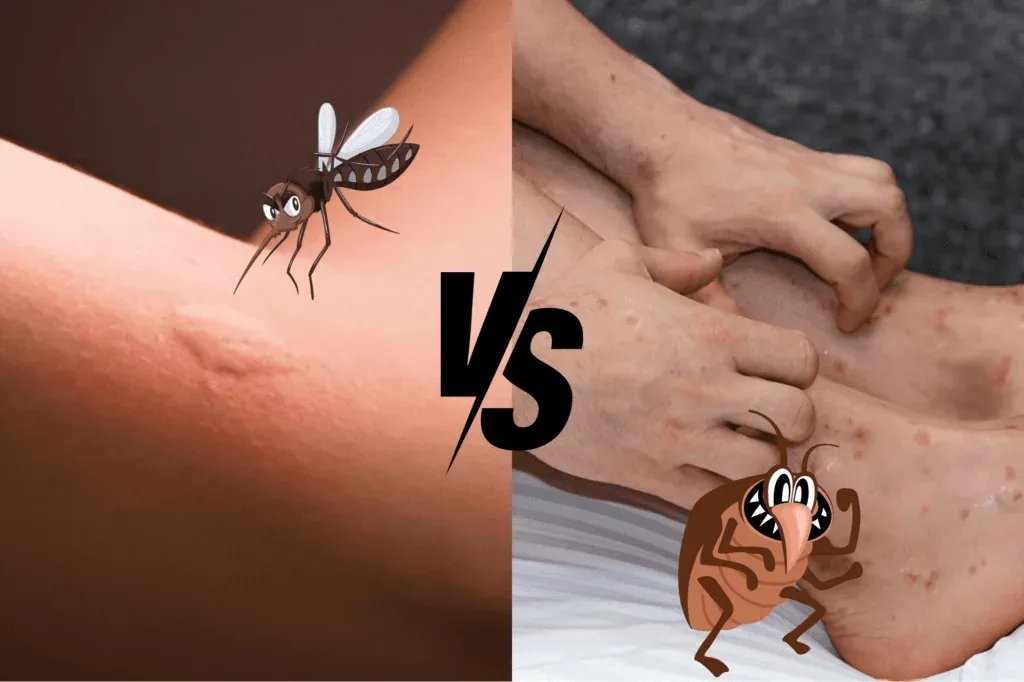
| If you have itchy bumps that appear without seeing the culprit, the cause is often not a bite, but a common skin reaction (like hives or folliculitis) or a pest that is too small to see, such as mites or fleas. The key to solving “mystery bites” is to stop focusing on the rash and start searching the environment and analyzing the pattern and timing of the bumps. Identifying whether the bumps are static (bites) or moving/transient (hives) is the first step toward the correct diagnosis. |
Top Non Bed Bug Pests Causing Mystery Bites
If you’ve ruled out bed bugs (no fecal matter or shed skins), the source of nighttime or indoor bites is often one of these tiny or hidden culprits:
| Pest | Primary Clues & Pattern | Main Source & Location |
| Fleas | Small, red bumps in groups/clusters (often below the knee). Bites are immediately itchy. | Pets (dogs, cats) or areas where pets rest (carpets, baseboards). Fleas jump onto the host from the ground. |
| Mites (Scabies) | Intense, persistent itching that is worse at night. May include thin burrow tracks or lines of tiny bumps. | Human-borne (contagious). Requires prolonged skin-to-skin contact to spread. |
| Mites (Bird/Rodent) | Tiny, red, intensely itchy welts. Usually appear when the mite’s host (birds or rodents) dies or abandons a nest in the attic or wall void, forcing the mites to seek a human host. | Nests/infestations in walls, attics, or chimneys. |
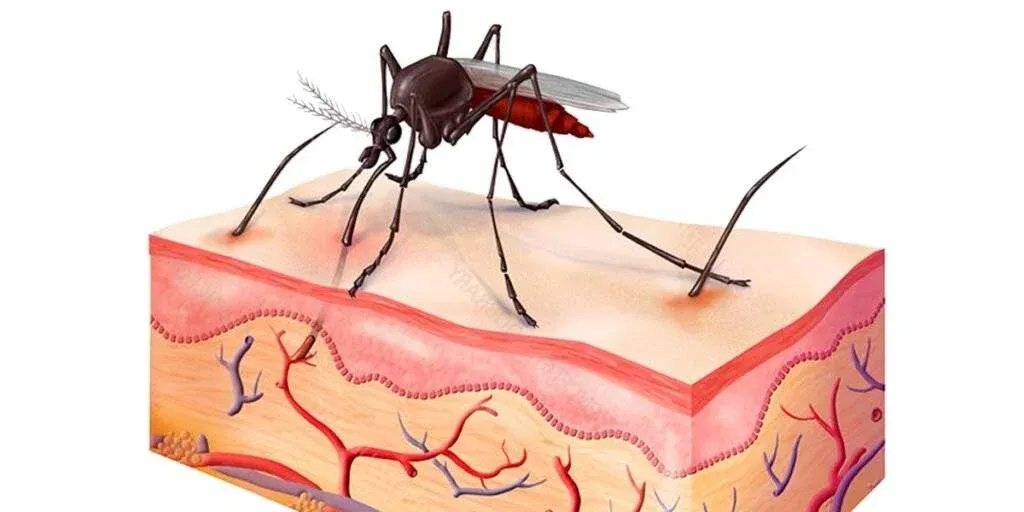
| Mosquitoes/Gnats | Random puffy welts; usually active at dawn/dusk, but some species can live indoors (e.g., in basements or near standing water). | Usually an open window or door. The bite is a singular event. |
| Carpet Beetles | A widespread, rash-like pattern of itchy bumps on the torso, arms, or legs. | Allergic reaction to the microscopic, barbed larval hairs found in carpets, upholstered furniture, or stored clothing. They do not bite. |

2. Non Pest Conditions Mimicking Bites
Many skin irritations are misdiagnosed as “spider bites” or “mystery bites” when the issue is entirely internal.
| Condition | Cause and Appearance | Key Difference from Bites |
| Hives (Urticaria) | Immune reaction to stress, heat, food, or medication. Raised, red welts that can appear anywhere on the body. | Transient: Hives fade and disappear quickly (often within 24 hours) and then reappear in a different location. Bites stay put. |
| Folliculitis | Bacterial or fungal infection of a hair follicle. | The bump is usually centered on a hair follicle and may resemble a small, pus-filled pimple or boil. |
| Contact Dermatitis | Allergic reaction to a substance touching the skin (e.g., new laundry detergent, soap, fabric softener). | The rash appears in a patch or pattern dictated by where the substance touched the skin. |
3. Action Plan: Solving the Mystery
If you are certain the bumps are bites, you must find and eliminate the source.
- Stop Guessing: Do not rely on the visual appearance of the rash alone; it is unreliable.
- Environmental Search: Look for flea dirt on pets, search windowsills for dead beetles (carpet beetles), and check for rodent/bird nests near the bedroom.
- Treat for Infection: If any bump becomes severely painful, hot, swollen, or begins to drain pus, stop all home treatment and see a doctor immediately for possible Cellulitis (bacterial infection).
For more visual information on the difference between pest bites and common skin rashes, consult the Healthline visual guide on various mite and insect bites.
FAQs: Allergic Reaction to Mosquito Bite Treatment
1. What is an allergic reaction to a mosquito bite?
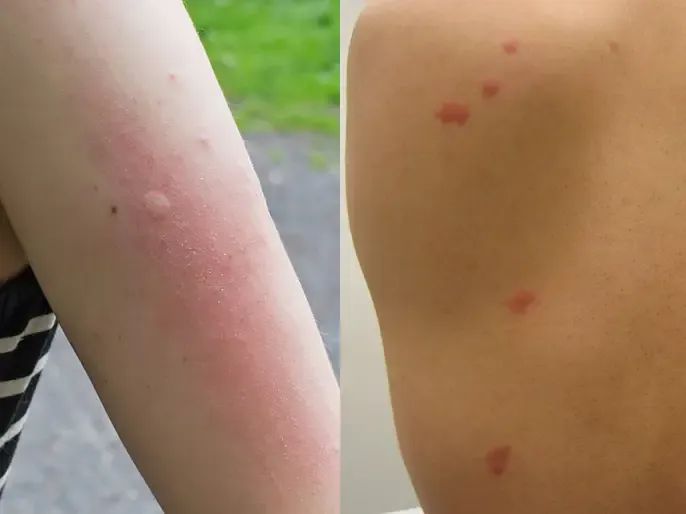
It is an exaggerated immune response to mosquito saliva, causing intense itching, swelling, redness, and sometimes hives or fever. This condition is often called Skeeter syndrome.
2. What are symptoms of an allergic mosquito bite reaction?
Common symptoms include:
Large swelling around the bite
Redness and warmth
Severe itching
Hives or welts
Fever or fatigue in severe cases
Seek urgent care if breathing issues or swelling of the face/lips occur.
3. How do you treat an allergic reaction to a mosquito bite at home?
Use:
Cold compress to reduce swelling
Oral antihistamines (e.g., cetirizine, loratadine)
Anti-itch creams (hydrocortisone, calamine lotion)
Aloe vera or oatmeal paste for soothing
Avoid scratching to prevent infection.
4. What medicine helps allergic mosquito bites?
Effective options include:
Antihistamines (Claritin, Zyrtec, Benadryl)
Hydrocortisone cream
Pain relievers like ibuprofen for swelling
Severe cases may need a prescription steroid.
5. What is the fastest way to reduce mosquito bite swelling?
Ice the area for 10 minutes
Elevate the body part
Apply an antihistamine or steroid cream
These steps help reduce itching and fluid buildup.
6. When should I see a doctor?
Get medical help if:
Swelling spreads to a large area
Bite becomes hot, painful, pus-filled (infection)
Fever develops
Trouble breathing or throat swelling (call emergency services)
7. Can allergic reactions to mosquito bites be prevented?
Yes — try:
Insect repellent (DEET or picaridin)
Wearing protective clothing
Avoiding peak mosquito hours (dawn/dusk)
Allergen immunotherapy may help in severe cases.
Conclusion for “Allergic Reaction to Mosquito Bite Treatment”
Allergic Reaction to Mosquito Bite Treatment can be frustrating, painful, and sometimes alarming. Fortunately, with the right knowledge, you can manage symptoms quickly and prevent complications. Simple steps like applying ice, taking antihistamines, and using anti-itch creams often provide fast relief, while natural remedies such as aloe vera or oatmeal can soothe irritated skin.
However, always listen to your body. If swelling spreads significantly, symptoms worsen instead of improving, or you experience fever, trouble breathing, or facial swelling, seek medical attention immediately these may signal a severe allergic reaction or infection requiring professional care. Additionally, adopting preventive measures like using mosquito repellent, avoiding peak mosquito hours, and wearing protective clothing can greatly reduce your chances of future reactions.