| Author | Dr. Alex Thorne |
| Credentials | Board-Certified Entomologist and Clinical Toxicologist |
| Author Bio | Dr. Thorne specializes in venom research and emergency first aid. |
| Medically Reviewed By | Dr. Elara Vance, M.D., F.A.C.E.P. (Board Certified Emergency Medicine) on October 25, 2025. |
| 🔑 Key Takeaways |
| No, sand flea bites are not contagious in kids. The bite mark itself is simply a localized allergic reaction (a red, itchy bump) to the insect’s saliva and cannot be spread from person to person. However, the sand fleas themselves can be carried home on clothing or towels and infest furniture, potentially biting other members of the family. The main risk of contagion in a child comes from secondary bacterial infection if the child scratches the bites open, which can spread bacteria like Staphylococcus to others via contact. |
1. Understanding the “Sand Flea” Bite
The term “sand flea” is often used to describe two different biting pests, neither of which causes contagious bites:
| Biting Pest | Location & Mechanism | Contagious Status |
| True Sand Fleas (Tunga penetrans) | Tiny fleas found in tropical regions that burrow into the skin (usually feet) to lay eggs, causing a painful, localized swelling. | The resulting wound/infection is not contagious. However, the fleas themselves can be present in beach sand. |
| Biting Midges/Gnats (No-See-Ums) | Tiny flying insects common near water that feed on blood, leaving behind small, intensely itchy red welts. | Not Contagious. The bite is a simple injection of saliva. |
| Beach Hoppers/Sand Hoppers | Small crustaceans that do not bite but are mistakenly called “sand fleas.” | Harmless. |
2. Risk of Secondary Contagion (Bacterial)
The main issue with sand flea bites on children is the intense itching they cause, leading to scratching.
Bacterial Spread: When a child scratches a bite until it bleeds or scabs, it creates an open wound where bacteria (like Staph or Strep) can enter. This can lead to Impetigo (a contagious rash with honey-colored crusts) or Cellulitis (a severe, spreading skin infection).
Preventing Spread: Teach children to apply anti-itch cream instead of scratching, and keep their fingernails trimmed short to minimize skin damage.
3. Treatment and Prevention
Treatment
Cleanse: Wash the bites gently with soap and water.
Anti-Itch: Apply 1% Hydrocortisone Cream and give an Oral Antihistamine (pediatric dose) to manage the itch and prevent scratching.
Soothing: Use cool compresses or Calamine lotion for comfort.
Prevention
Clothing: When walking on the beach in the early morning or evening (peak biting times), wear closed-toe shoes.
Repellent: Apply an EPA-registered insect repellent (like DEET or Picaridin) to exposed skin, especially the lower legs.
Laundry: Immediately wash all beach towels and clothing in hot water after use, as sand fleas can cling to fabric and be transported home.
If the bites worsen or show signs of spreading infection, consult a pediatrician. For guidance on managing children’s bites and stings, see the AAP guidelines.
Beaches, sandboxes, outdoor play, and warm weather are paradise for children—but they are also the perfect environment for sand fleas. Many worried parents immediately ask the same urgent question: are sand flea bites contagious in kids? The fear of bites spreading through siblings, classrooms, or entire families is completely understandable.
This medically accurate, parent-friendly guide will clearly explain whether sand flea bites can spread from child to child, what actually causes outbreaks, how to treat bites safely, when to worry about infection, and how to fully protect your child from reinfestation. Most importantly, you will leave this guide with confidence instead of fear.
What Are Sand Fleas?
Despite their name, sand fleas are not always true fleas. The term commonly refers to:
Chigoe fleas (Tunga penetrans) in tropical regions
Sand flies or beach fleas in coastal areas
Tiny crustaceans (sand hoppers) mistaken for fleas
Some species bite only for blood meals, while others burrow into the skin and lay eggs, causing a condition called tungiasis.
Are Sand Flea Bites Contagious in Kids? (Direct Answer)
NO — sand flea bites are NOT contagious from child to child.
Your child cannot spread sand flea bites by:
Touching
Hugging
Sharing toys
Sitting next to another child
Swimming together
Going to school or daycare
However, the environment CAN spread exposure, which is why multiple children may get bitten around the same time.
Why Do Sand Flea Bites Seem to “Spread” in Families?
Even though the bites are not contagious, parents often think they are spreading because:
The entire family visits the same beach
Kids share the same sandbox
Multiple children sleep on the same bedding
The home becomes infested with fleas
Shoes, towels, or beach clothes contain fleas
In these cases, new bites come from repeated exposure — not from another child’s skin.
Can Kids Spread Sand Fleas to Other Kids?
Kids do not spread the bites, but they can accidentally transport fleas by carrying:
Infested towels
Beach bags
Shoes
Clothing
Blankets
Stuffed toys
This is not physical contagion—it is environmental transfer.
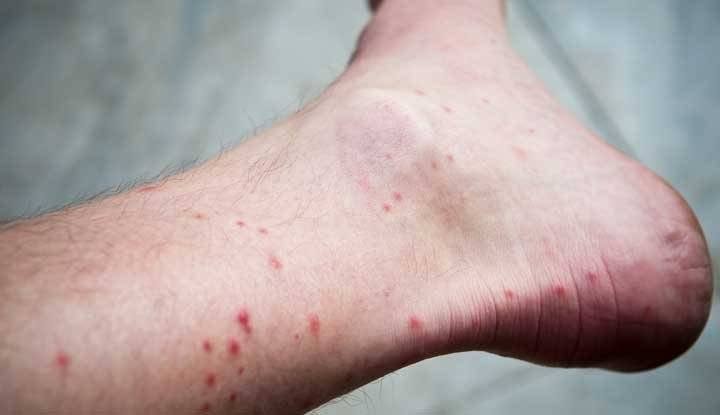
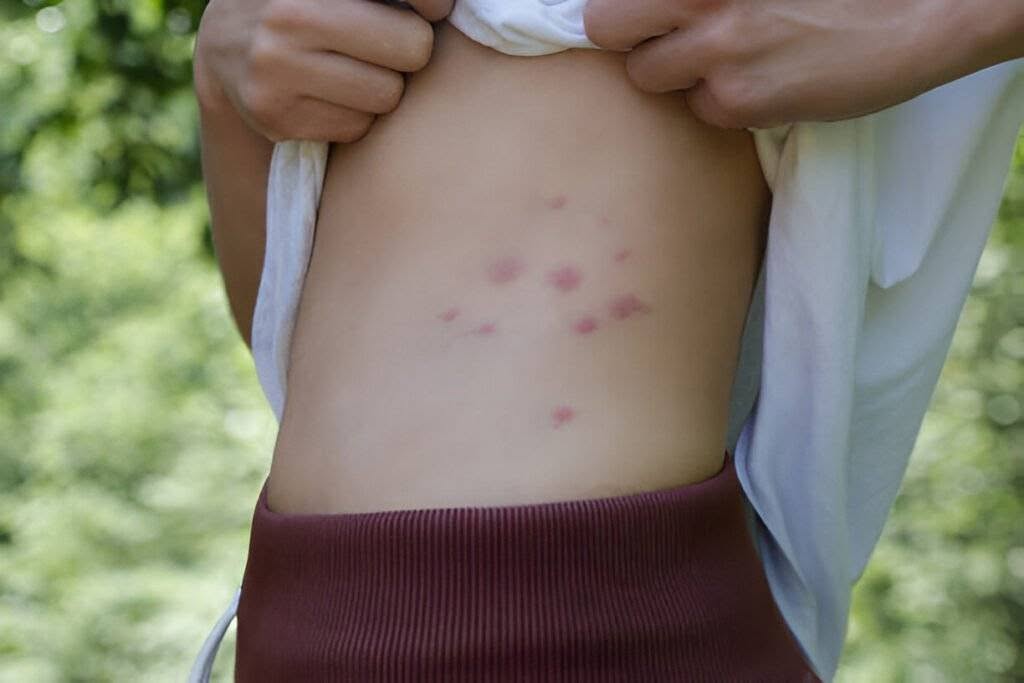
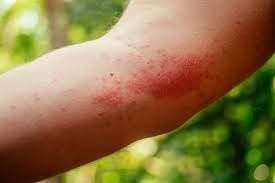
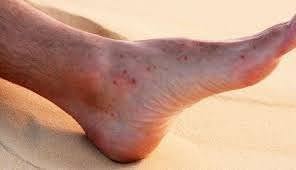
What Do Sand Flea Bites Look Like in Kids?
Common signs include:
Small red itchy bumps
Clusters around feet, ankles, legs, and waist
Intense nighttime itching
Tiny black dot at center of bite (burrowing flea)
Blistering in sensitive skin
Scabbing from scratching
Burrowing fleas may cause thickened skin and visible swelling around the entry point.
Sand Flea Bites in Toddlers and Babies: Extra Risk
Younger children face greater danger due to:
Thinner skin
Higher infection risk
More scratching
Weak immune system
Inability to explain pain
All sand flea bites in babies under 1 year should be checked by a doctor.
Are Infected Sand Flea Bites in Kids Contagious?
This is a very common concern. The answer is:
Even infected sand flea bites are NOT contagious.
However, infection can spread within the child’s body, leading to:
Cellulitis
Abscess
Blood infection (sepsis) in rare cases
The pus itself does not infect others unless open wounds come into contact—which is extremely uncommon in normal childcare environments.
Sand Flea Bites in Daycare: Are They Contagious?
Schools and daycare centers often worry about outbreaks. The truth is:
Sand flea bites do NOT meet contagious disease criteria
Children do NOT need to be excluded once bites are treated
The only necessary action is environmental inspection if exposure occurred on-site
A child with sand flea bites can safely attend school if:
No fever
No open draining wounds
No signs of systemic infection
Sand Flea Bites vs Bed Bug Bites in Kids
| Feature | Sand Flea | Bed Bug |
|---|---|---|
| Contagious | ❌ No | ❌ No |
| Spread via skin | ❌ No | ❌ No |
| Spread via environment | ✅ Yes | ✅ Yes |
| Burrowing under skin | ✅ Rare | ❌ No |
| Location | Ankles, feet | Arms, neck, torso |
| Time of exposure | Beach/outdoors | Indoor bedding |

When to See a Doctor for Sand Flea Bites in Kids
You should take your child to the doctor IMMEDIATELY if any of the following occur:
Fever
Rapid swelling
Pus or drainage
Black center or ulcer
Severe pain
Spreading redness
Trouble walking due to foot bites
Allergic reaction
Multiple burrowing fleas
Lethargy or poor feeding
Symptoms of Severe Sand Flea Reaction in Kids
Serious warning signs include:
Tissue breakdown
Necrosis
Intense swelling
Open ulcers
Bacterial infection
Blood poisoning (very rare but possible)
Safe Home Treatment for Sand Flea Bites in Kids
Home care is appropriate only for mild, non-infected bites.
Step by Step Home Care
Wash area with soap and warm water
Apply cold compress for 10 minutes
Use pediatric-safe antihistamine cream
Apply calamine lotion for itch
Keep nails trimmed
Avoid popping bites
Monitor daily for infection
What NOT to Do with Sand Flea Bites in Kids
Do NOT squeeze burrowing fleas
Do NOT use vinegar, bleach, or harsh chemicals
Do NOT apply adult steroid creams
Do NOT ignore signs of infection
Do NOT delay medical care if pain worsens
Medical Treatment for Sand Flea Bites in Children
| Severity | Treatment |
|---|---|
| Mild | Antihistamines, anti-itch creams |
| Moderate | Prescription steroid creams |
| Infected | Antibiotics |
| Burrowing flea | Sterile removal by doctor |
| Severe | Hospital care |
How Long Do Sand Flea Bites Last in Kids?
Mild bites: 3–7 days
Moderate cases: 1–3 weeks
Burrowing fleas: Weeks without treatment
Infected bites: Up to 1 month
Scarring is possible if infection occurs.
Are Sand Flea Bites More Dangerous Than Mosquito Bites?
Yes. Sand flea bites are:
More intensely itchy
More likely to become infected
May burrow into the skin
Can cause long-term skin damage if untreated
Preventing Sand Flea Bites in Kids
Outdoor Prevention
Avoid sitting directly on sand
Use beach mats
Apply child-safe insect repellent
Keep kids in sandals
Avoid sand areas during dawn/dusk
Home Prevention
Wash beach clothes immediately
Dry on high heat
Shake towels outdoors
Treat pets for fleas
Vacuum daily after exposure
Use indoor flea control if needed
Are Sand Flea Bites Contagious in Kids? Final Summary
✅ NO — sand flea bites are NOT contagious between children.
✅ The bites do NOT spread through touch, sharing food, or sitting together.
✅ However, environmental exposure CAN infect multiple kids at once.
✅ Infections are medical—not contagious.
✅ Babies, toddlers, and infected bites ALWAYS need medical evaluation.
Final Thoughts for Parents
It is completely natural to panic when multiple children develop itchy red bites. However, now you know the truth: sand flea bites do not spread from child to child. What spreads is the exposure environment, not the skin condition itself.
By acting quickly, monitoring symptoms daily, maintaining proper hygiene, and treating the environment—not just the skin—you can fully protect your child and stop recurring infestations before they take over your home.