| Author | Dr. Alex Thorne |
| Credentials | Board-Certified Entomologist and Clinical Toxicologist |
| Author Bio | Dr. Thorne specializes in venom research and emergency first aid. |
| Medically Reviewed By | Dr. Elara Vance, M.D., F.A.C.E.P. (Board Certified Emergency Medicine) on October 25, 2025. |
| 🔑 Key Takeaways |
| Flea Allergy Dermatitis (FAD) is the most common allergic skin disease in dogs, caused by an extreme allergic reaction to the flea’s saliva when bitten, not the bite itself. Treatment requires a dual approach: 1) Aggressive Flea Control to eliminate every single flea (as one bite can trigger a reaction), and 2) Medical Treatment to stop the severe itching, inflammation, and secondary bacterial infections. Long-term management relies on year-round, vet-approved flea preventatives. |
1. Veterinary Treatment for Symptoms (The Allergic Rash)
The intense itching causes dogs to scratch, chew, and lick themselves, leading to hair loss, skin trauma, and secondary bacterial infection.
| Treatment Goal | Medication Type | Rationale |
| Stop Itching & Inflammation | Corticosteroids (Prednisone, Dexamethasone) | These are highly effective for rapid relief of the acute allergic reaction, reducing inflammation and the urge to scratch. They are often given orally or by injection. |
| Control Secondary Infection | Antibiotics (Oral or Topical) | Used to treat bacterial infections (e.g., Staphylococcus) that arise from self-trauma (scratching, licking). |
| Soothe Skin | Antihistamines or Immunomodulators (e.g., Apoquel, Cytopoint) | Anti-itch medications provide long-term control of the allergic response, especially in chronic FAD cases, while avoiding prolonged steroid use. |
| Topical Care | Medicated shampoos (e.g., Chlorhexidine) or soothing rinses. | Used to cleanse the skin, kill surface bacteria, and provide temporary relief from the itch and inflammation. |
2. Aggressive Flea Control (The Necessary Cure)
Since FAD is triggered by the flea saliva, eliminating fleas is the only way to “cure” the condition. Even pets without FAD need to be treated to eliminate the environmental source.
Year-Round Preventatives: Use a veterinarian-recommended oral or topical flea preventative (e.g., Bravecto, Simparica, NexGard) that kills fleas rapidly. This is mandatory, as one single flea bite can trigger FAD.
Treat All Pets: All dogs and cats in the household must be treated simultaneously to prevent fleas from jumping hosts.
Environmental Cleanup:
Wash all pet bedding in hot water ($140^\circ \text{F}$ or higher) weekly.
Vacuum carpets and upholstered furniture daily, paying close attention to cracks and crevices, and immediately dispose of the vacuum bag outside.
Consider treating the house and yard with pet-safe insecticides, particularly if the infestation is severe.
3. Recognizing FAD Symptoms
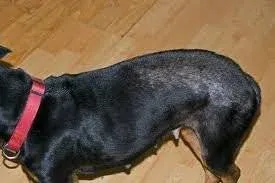
FAD symptoms differ from general environmental allergies (Atopic Dermatitis) by their specific location.
Intense Pruritus: Severe, relentless itching and chewing.
Lesions: Red bumps, papules, and hair loss (alopecia).
“Flea Triangle” Location: The inflammation and lesions are highly concentrated around the base of the tail, rump, inner thighs, and groin/abdomen.
If you suspect FAD, consult your veterinarian for confirmation and to begin a targeted treatment plan immediately.
For veterinary guidance on managing chronic skin conditions and the use of anti-inflammatory medications, refer to the American Veterinary Medical Association (AVMA) resources on pet skin conditions.
Flea problems are more than just an itchy nuisance for dogs. In fact, for many dogs, flea bites trigger an intense allergic reaction known as flea allergy dermatitis. This condition is one of the most common skin diseases seen by veterinarians worldwide. Without proper flea allergy dermatitis in dogs treatment, your pet can suffer from constant itching, painful skin sores, hair loss, infections, and emotional distress.
In this complete guide, you will learn exactly what causes this condition, how to recognize symptoms early, and the most effective treatment methods—both veterinary and at-home. In addition, we will cover prevention strategies, diet support, natural remedies, medication options, and long-term skin recovery tips.
Why Flea Allergy Dermatitis Is So Dangerous
Many dog owners underestimate this condition. However, untreated flea allergy dermatitis in dogs treatment delays can lead to:
Open skin wounds
Bacterial and fungal infections
Permanent hair loss
Thickened, darkened skin
Chronic discomfort
Behavioral changes from pain
Therefore, early diagnosis and proper care are critical.
Common Symptoms of Flea Allergy Dermatitis
Symptoms appear rapidly and worsen with repeated exposure. The most noticeable signs include:
Intense scratching and biting
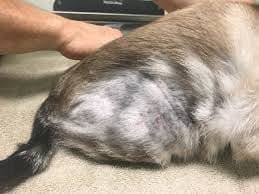
Hair loss (especially near tail, lower back, thighs, neck)
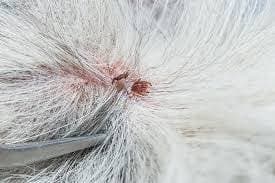
Red, inflamed skin
Scabs and sores
Thickened, dark skin (chronic cases)
Hot spots
Restlessness and irritability
Secondary infections with bad odor
Although fleas may not always be visible, the symptoms are usually severe.
Breeds Most Prone to Flea Allergy Dermatitis
Some dog breeds are genetically more sensitive to flea saliva. These include:
Labrador Retrievers
Golden Retrievers
German Shepherds
Bulldogs
Terriers
Poodles
Setters
That said, any dog can develop flea allergy dermatitis at any age.
How Veterinarians Diagnose Flea Allergy Dermatitis
Diagnosis usually includes:
Physical skin examination
Flea dirt detection
Skin scraping
Allergy testing (in some cases)
Reviewing response to flea control
Importantly, even if fleas are not found, FAD is still diagnosed based on symptoms and history.
Flea Allergy Dermatitis in Dogs Treatment: Complete Medical Approach
Now let us explore the full veterinary approved flea allergy dermatitis in dogs treatment approach.
1. Immediate Flea Elimination
The first and most important step is removing all fleas from your dog and environment.
Veterinarian-approved flea treatments include:
Oral flea pills (monthly or 3-monthly)
Spot-on topical flea medications
Flea collars (medicated)
These treatments kill adult fleas rapidly and prevent reinfestation.
2. Treating Inflammation and Itching
Since itching is intense, anti-itch medications are essential:
Corticosteroids (short term relief)
Apoquel
Cytopoint injections
Antihistamines (supportive)
These medications reduce inflammation and stop constant scratching.
3. Treating Secondary Skin Infections
Because open wounds invite bacteria and yeast:
Antibiotics
Antifungal medications
Medicated shampoos
may be required depending on severity.
4. Long Term Flea Prevention Therapy
Even after healing, lifelong flea control is mandatory for allergic dogs. One missed dose can cause relapse.
Flea Allergy Dermatitis in Dogs Home Treatment
When combined with veterinary care, flea allergy dermatitis in dogs home treatment can speed recovery.
Effective Home Strategies Include:
Regular flea baths with medicated shampoo
Washing dog bedding in hot water weekly
Vacuuming carpets daily
Spraying flea-safe household treatments
Using air purifiers to reduce allergens
However, home treatment alone is never enough for severe cases.
Natural Flea Allergy Dermatitis in Dogs Treatment
Some owners prefer holistic options. While natural flea allergy dermatitis in dogs treatment supports comfort, it should only be used alongside medical treatment.
Safe natural options include:
Omega-3 fish oil
Aloe vera gel (vet-approved formulas)
Coconut oil (anti-inflammatory)
Chamomile rinses
Avoid toxic essential oils unless approved by your vet.
Flea Allergy Dermatitis in Dogs Medication Treatment
Medication selection depends on severity.
| Severity | Medication Type |
|---|---|
| Mild | Antihistamines, omega supplements |
| Moderate | Apoquel, Medicated shampoos |
| Severe | Steroids + antibiotics + injections |
Always follow dosage strictly.
Flea Allergy Dermatitis in Puppies Treatment
Puppies have delicate immune systems. Therefore:
Only puppy-safe flea medications are used
Lower medication doses
Gentle medicated shampoos
Close vet supervision
Never give adult flea medication to puppies.
Flea Allergy Dermatitis in Senior Dogs Treatment
Senior dogs may have:
Weaker immune responses
Slower healing
Pre-existing health issues
As a result, treatment is slower and more cautious to avoid organ stress.
Severe Flea Allergy Dermatitis in Dogs Treatment
Severe cases require aggressive medical care:
Injectable anti-itch therapy
Long antibiotic courses
Hospital-grade wound care
Blood tests for immune balance
Such cases can take 6–12 weeks for full recovery.
Flea Allergy Dermatitis in Dogs Long Term Treatment Plan
Long-term care focuses on prevention:
Monthly flea prevention forever
Seasonal allergy monitoring
Proper nutrition
Immune system support
Skin hydration therapy
Without long-term control, symptoms almost always return.
Flea Allergy Dermatitis in Dogs Treatment Cost (Estimated)
| Treatment Stage | Average Cost |
|---|---|
| Diagnosis exam | $50 – $150 |
| Flea medication | $20 – $60/month |
| Allergy meds | $30 – $90/month |
| Antibiotics | $25 – $100 |
| Severe cases | $300 – $1,200 |
Costs vary based on location and severity.
What Happens If Flea Allergy Dermatitis Is Left Untreated?
Without flea allergy dermatitis in dogs treatment:
Skin infections spread rapidly
Dogs lose most of their fur
Chronic wounds develop
Immune imbalance worsens
Quality of life drops sharply
In severe cases, euthanasia may even be considered due to suffering—making early treatment essential.
Best Diet for Dogs With Flea Allergy Dermatitis
Food does not cause FAD, but diet heavily influences healing.
Recommended diet support includes:
Omega-3 fatty acids
Lean protein
Zinc
Vitamin E
Probiotics
Avoid inflammatory fillers like corn, soy, and artificial additives.
Can Flea Allergy Dermatitis Spread to Humans?
No. This condition itself is not contagious. However, fleas can bite humans and cause skin irritation.
How Long Does Healing Take?
Mild cases: 2–3 weeks
Moderate cases: 4–8 weeks
Severe cases: 2–3 months
Continuous flea control speeds up healing dramatically.
Preventing Flea Allergy Dermatitis Forever
Prevention is the only true cure.
Golden Prevention Rules:
Never skip monthly flea prevention
Treat all pets in the home
Clean your living environment regularly
Use vet-approved products only
Monitor skin weekly
Once a dog develops FAD, they remain allergic for life.
When to See a Veterinarian Immediately
Seek urgent veterinary help if your dog:
Has bleeding skin wounds
Is crying from itching
Has fever or lethargy
Has pus-filled sores
Stops eating
These may indicate life-threatening infection.
Final Thoughts
Flea allergy dermatitis is painful, frustrating, and emotionally draining for both dogs and owners. However, with the correct flea allergy dermatitis in dogs treatment, full recovery is completely possible. Early diagnosis, consistent flea prevention, medication support, proper diet, and home hygiene together form the ultimate solution.
If your dog scratches uncontrollably, do not delay. Flea allergy dermatitis does not resolve on its own—it always worsens without proper care.