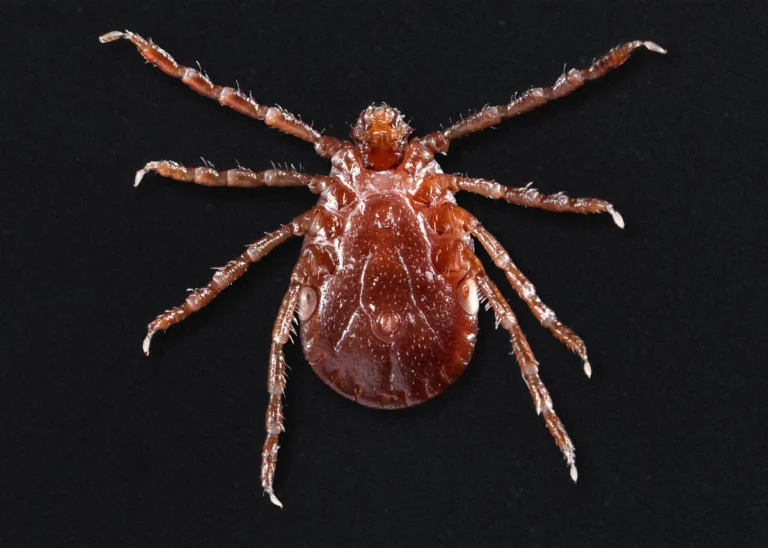
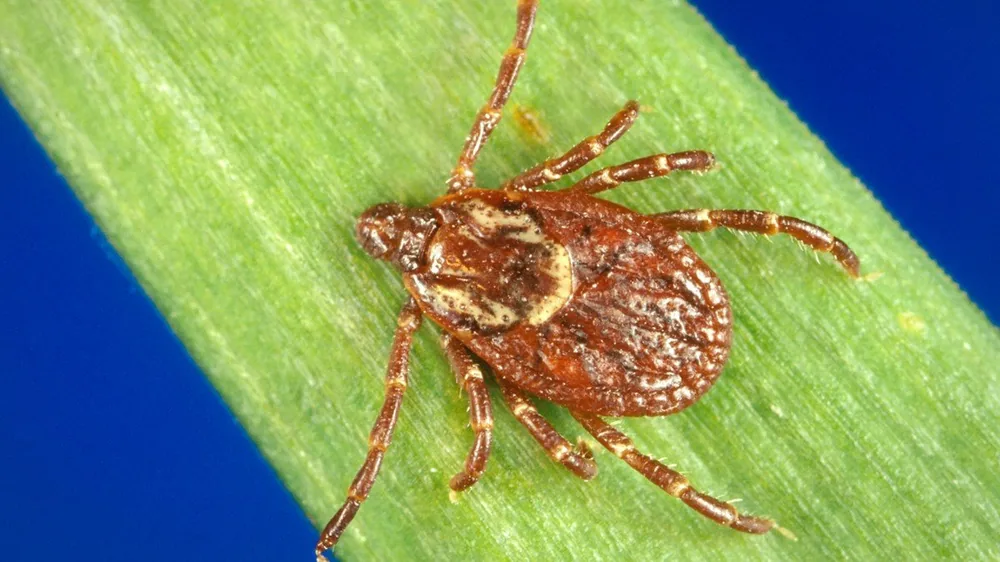
Direct answer: American dog tick and seed tick can both cause a red or tender skin reaction, but the exposure pattern is usually more useful than appearance. With American dog tick, the tick attaches and feeds over an extended period rather than causing a brief sting. With seed tick, a very small immature tick attaches to skin and feeds for hours or longer. A photograph of the skin alone cannot reliably identify either exposure.
This comparison is designed for practical decision-making: what was actually seen, where exposure occurred, how symptoms began, what first aid is reasonable, which medical warning signs matter, and what information is useful if you contact a clinician.
Quick comparison
| Clue | American dog tick | seed tick |
|---|---|---|
| Type | hard tick species | larval or nymphal tick stage |
| How exposure happens | the tick attaches and feeds over an extended period rather than causing a brief sting | a very small immature tick attaches to skin and feeds for hours or longer |
| Typical setting | grassy areas, trails, yards, dog-associated environments, and wildlife habitat across much of the United States | brush, leaf litter, grass, wildlife habitat, yards, trails, or outdoor clothing where immature ticks are active |
| Typical timing | the bite is often unnoticed until the tick is found | attachment can be painless; multiple tiny ticks may be noticed only after they have attached |
| Best evidence | an attached or recovered tick that can be identified is stronger evidence than the skin mark | seeing or removing one or more tiny attached ticks is far stronger evidence than judging a skin mark |
The most useful clue: what happened before symptoms started
For American dog tick, an attached or recovered tick that can be identified is stronger evidence than the skin mark. For seed tick, seeing or removing one or more tiny attached ticks is far stronger evidence than judging a skin mark. When neither type of evidence exists, the safest label is an uncertain bite, sting, or dermatitis rather than a confident species diagnosis.
Exposure pattern for American dog tick
grassy areas, trails, yards, dog-associated environments, and wildlife habitat across much of the United States. the tick attaches and feeds over an extended period rather than causing a brief sting. the bite is often unnoticed until the tick is found. This history usually carries more diagnostic weight than whether the mark is round, clustered, blistered, or has a central point.
Exposure pattern for seed tick
brush, leaf litter, grass, wildlife habitat, yards, trails, or outdoor clothing where immature ticks are active. a very small immature tick attaches to skin and feeds for hours or longer. attachment can be painless; multiple tiny ticks may be noticed only after they have attached. Again, direct observation and environment are stronger clues than lesion shape.
Why skin pictures can mislead
Arthropod reactions use a limited set of skin responses: redness, swelling, warmth, itching, tenderness, papules, puncta, small blisters, and scratch marks. Different exposures can look similar, while two people with the same exposure can look very different. Lighting, magnification, skin tone, body location, scratching, and prior sensitivity can change appearance. A skin photo cannot show whether a pathogen was transmitted.
First aid if American dog tick is more likely
remove the attached tick with fine-tipped tweezers, pulling upward steadily close to the skin, then clean the area and note the date and place. Avoid cutting, squeezing, burning, suction, or caustic chemicals. If a tick is attached, prompt mechanical removal is more useful than trying to make it detach with oils, heat, or solvents.
First aid if seed tick is more likely
remove attached ticks promptly with fine-tipped tweezers when possible, clean the skin, and document the exposure date and location. For uncomplicated local symptoms, simple care is usually preferable to repeated harsh antiseptics or unproven home remedies.
Managing local pain, itching, and swelling
Gentle cleansing, a wrapped cool compress, and avoiding scratching can help many mild local reactions. Over-the-counter pain or itch medicines are not appropriate for everyone. Age, pregnancy, kidney or liver disease, sedation risk, allergies, and medication interactions can change what is safe. Follow product labels and ask a pharmacist or clinician when uncertain.
Disease and complication context: American dog tick
American dog ticks are recognized vectors of Rocky Mountain spotted fever and tularemia in the United States. A bite does not mean infection occurred. The local skin mark cannot confirm or exclude transmission. Geography, species identification, timing, and later symptoms matter.
Disease and complication context: seed tick
risk depends on the actual tick species because ‘seed tick’ describes a life stage, not one species. Disease risk therefore depends on geography, species, and pathogen circulation. Identification and medical triage should be treated as separate questions: even a correctly identified arthropod does not tell you automatically whether a complication is present.
When to call emergency services
Call 911 for trouble breathing, throat tightness, fainting, severe weakness, confusion, rapidly developing swelling of the tongue or face, or widespread hives with vomiting, dizziness, or breathing symptoms. Do not delay emergency care while trying to determine the exact arthropod.
When prompt medical assessment is appropriate
Seek medical care for high fever, severe or progressively increasing pain, repeated vomiting, neurologic symptoms, a rapidly worsening rash with systemic illness, significant eye or mouth involvement, pus, red streaking, or redness that continues to expand while the person feels increasingly unwell.
Inflammation versus infection
Redness and warmth can be normal inflammation after an arthropod exposure. Infection becomes more concerning when pain progressively worsens, drainage or pus appears, fever develops, red streaking occurs, or the person becomes increasingly ill. Scratching can damage the skin barrier and create secondary infection even when the original exposure was uncomplicated.
What to monitor over the next 48 hours
Record the exposure date, location on the body, geographic location, pain, itching, swelling, fever, headache, drainage, dizziness, weakness, and any new rash away from the original site. Take a clear photo in similar lighting if the reaction changes. Direction of change is usually more useful than repeatedly measuring one red area.
What if nothing was seen?
Review the previous one or two days for grassy areas, trails, yards, dog-associated environments, and wildlife habitat across much of the United States, compared with brush, leaf litter, grass, wildlife habitat, yards, trails, or outdoor clothing where immature ticks are active. Also consider other explanations such as another arthropod, contact dermatitis, folliculitis, or bacterial infection. Uncertainty is safer than forcing a visual diagnosis.
Children, older adults, pregnancy, and chronic conditions
Children may scratch intensely and need age-appropriate medication guidance. Older adults may have fragile skin, poor circulation, or multiple medicines. Pregnancy, immune compromise, diabetes, chronic edema, and severe allergy history can lower the threshold for professional advice.
Prevention: American dog tick
use tick checks, repellents, protective clothing, pet checks, and habitat precautions.
Prevention: seed tick
use EPA-registered repellents as labeled, protective clothing, body checks, pet checks, and showering after tick habitat exposure.
Common mistakes to avoid
- Do not diagnose the species from a close-up skin photograph alone.
- Do not cut, squeeze, burn, or suction the skin.
- Do not apply pesticides, veterinary products, bleach, or strong chemicals to human skin.
- Do not start antibiotics simply because a bite is red.
- Do not assume a small local mark means systemic symptoms are harmless.
- Do not delay urgent care while searching online for an exact visual match.
Decision guide
- Give direct observation the most weight.
- Compare the setting and timing with both exposure profiles.
- Use simple first aid for stable local symptoms.
- Track the direction of change rather than the exact appearance.
- Escalate care for breathing, neurologic, severe systemic, or infection warning signs.
- If identification remains uncertain and symptoms worsen, seek professional evaluation.
Frequently asked questions
Can American dog tick and seed tick look alike on the skin?
Yes. Redness, swelling, tenderness, and itching overlap widely. Exposure mechanism and direct evidence are usually more useful than the lesion.
Does a central dot identify the cause?
No. A central point can occur after many bites, stings, scratches, and inflamed follicles.
Can the skin mark tell whether an infection was transmitted?
No. Pathogen transmission cannot be determined from the shape or size of the local reaction.
How long should a mild local reaction last?
Many uncomplicated reactions improve over several days. A worsening trend, fever, increasing pain, drainage, or systemic illness deserves reassessment.
What should I tell a clinician?
Share the date, exact geographic location, outdoor or indoor setting, what was seen or removed, symptom timing, medications used, and any photo of the actual arthropod.
Related StingHelp guides
Authoritative references
- CDC: What to do after a tick bite
- CDC: About ticks
- American Academy of Dermatology: bites and stings
- NHS: insect bites and stings
What “seed tick” actually means
“Seed tick” is an informal term for a very small immature tick, most often the larval stage. It is not the name of one tick species. That distinction matters because a seed tick could belong to different species with different geographic ranges and different pathogen associations. Larval ticks have six legs, while nymphs and adults have eight, but that difference can be difficult to see without magnification. A person who only notices a tiny attached tick should avoid assuming that the term “seed tick” tells them the disease risk.
This is one of the biggest differences from an American dog tick comparison. American dog tick refers to a specific species, Dermacentor variabilis. CDC surveillance shows that this species is widely distributed east of the Rocky Mountains and occurs in limited areas farther west. Adult females are the life stage most likely to bite people. By contrast, “seed tick” describes a life stage, so the actual species still needs to be considered.
Why species and life stage should be separated
Species answers the question “what tick is this?” while life stage answers “how developed is this tick?” Those are related but different questions. A larval tick can be extremely small and may occur with many other larvae from the same hatch. An adult American dog tick is much larger and easier to recognize. The skin reaction does not reliably resolve that difference because either exposure can leave a small red or irritated area.
For practical care, the immediate priority is similar: remove attached ticks promptly, clean the area, document the date and location, and monitor for symptoms. The species question becomes more important when a clinician is estimating the relevance of local tick-borne diseases. A photograph of the actual tick, when safely obtained, is therefore usually more informative than a photograph of the bite site.
Current American dog tick context in the United States
CDC identifies the American dog tick as an important human-biting tick in the United States. Its distribution is broad in the eastern part of the country, with more limited occurrence west of the Rocky Mountains. Risk of encountering adult ticks is generally highest during spring and summer. The species is associated with transmission of Rocky Mountain spotted fever and tularemia, but finding an American dog tick attached to the skin does not mean that transmission occurred.
The medically useful questions are whether the tick was attached, when and where the exposure occurred, whether the tick can be identified, and whether compatible symptoms develop later. The size or redness of the bite site cannot confirm Rocky Mountain spotted fever, tularemia, or another tick-borne illness.
Disease risk with a “seed tick” depends on the actual species
Because “seed tick” is not a species name, a generic list of seed-tick diseases can be misleading. Different tick species carry different pathogens, and not every life stage plays the same role in every transmission cycle. Geography also matters: the set of medically important ticks in the Northeast is not identical to the set found in the Southeast, central states, or western regions.
If a tiny immature tick was attached, record the county or state, recent travel, the habitat where exposure occurred, and whether multiple tiny ticks were present. That information can help a clinician or public-health resource interpret the exposure. Do not assume that a tiny tick is harmless merely because it is small, and do not assume that every tiny tick carries a dangerous pathogen.
CDC tick-removal guidance: what matters most
CDC recommends removing an attached tick as soon as possible. Use clean fine-tipped tweezers when available, grasp the tick as close to the skin surface as possible, and pull upward with steady, even pressure. After removal, clean the bite area and your hands. Check the rest of the body because another tick may be attached.
Avoid trying to make the tick detach with petroleum jelly, heat, nail polish, or similar substances. These methods can delay removal and may irritate the tick. If mouthparts remain and cannot be removed easily, CDC advises that the skin can usually heal while the body pushes them out over time. Persistent local irritation or infection signs can be evaluated by a clinician.
Should you have the removed tick tested?
CDC generally does not recommend using commercial tick testing to make treatment decisions. A positive result from the tick does not prove that the person was infected, while a negative result can create false reassurance. A different unnoticed tick could also have been involved. If illness develops after a tick bite, clinical symptoms and exposure history matter more than waiting for a commercial tick-test result.
If you keep a tick for possible identification, store or photograph it safely and avoid crushing it with bare fingers. Local health departments, extension services, or clinicians may have different identification resources depending on the area.
When antibiotics are not a one-size-fits-all answer
Do not start leftover antibiotics simply because a tick was attached. Decisions about preventive antibiotics after a tick bite depend on the suspected tick species, geographic risk, timing, and the disease being considered. A strategy used for one type of tick exposure is not automatically appropriate for an American dog tick or an unidentified seed tick.
If you are concerned about Lyme disease, Rocky Mountain spotted fever, tularemia, or another tick-borne disease, contact a healthcare professional with the exposure details rather than self-treating. New fever, rash, severe headache, marked weakness, neurologic symptoms, or worsening systemic illness after a credible tick exposure warrants medical evaluation.
What if many tiny seed ticks are attached?
Clusters of tiny larval ticks can be difficult to notice until several have attached. Remove each attached tick as promptly as practical, then perform a careful full-body check. Showering after outdoor exposure can help reveal additional crawling ticks, although an attached tick still needs mechanical removal. Wash clothing according to appropriate tick-prevention guidance and inspect pets when they shared the same habitat.
Seek medical advice sooner if there are numerous attached ticks, if removal is difficult in a sensitive area such as the eyelid, if the person is very young or medically vulnerable, or if systemic symptoms develop. The number of local bumps alone does not identify the species.
Information to give a clinician
- Approximate date and time the tick was found.
- State, county, or travel location where exposure probably occurred.
- Whether the tick was attached and, if known, for roughly how long.
- Whether one tick or many tiny ticks were found.
- A clear photograph of the tick, if safely available.
- New fever, rash, headache, muscle aches, unusual fatigue, weakness, or neurologic symptoms.
Updated authoritative sources
- CDC: What to Do After a Tick Bite
- CDC: American Dog Tick Surveillance
- CDC: Rocky Mountain Spotted Fever Transmission and Epidemiology
- CDC: How Tularemia Spreads
Bottom line
American dog tick and seed tick should be distinguished primarily by direct evidence, exposure setting, timing, and the person’s overall condition—not by a single skin photograph. When symptoms are severe or progressive, medical triage matters more than exact species identification.
Educational information only; not a diagnosis or substitute for individualized medical care.