| Author | Dr. Alex ThorneHow to Repel Biting Flies Outside |
| Credentials | Board-Certified Entomologist and Clinical Toxicologist |
| Author Bio | Dr. Thorne specializes in venom research and emergency first aid. |
| Medically Reviewed By | Dr. Elara Vance, M.D., F.A.C.E.P. (Board Certified Emergency Medicine) on October 25, 2025. |
| 🔑 Key Takeaways | |||||||||||||||
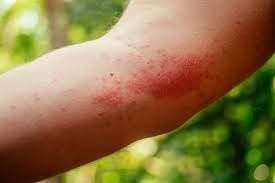
To repel biting flies outside (including stable flies, horseflies, and deer flies), the best strategy is a combination of personal protection (using highly effective topical repellents) and environmental management (eliminating breeding sites). The most effective active ingredient for repelling biting flies is Picaridin, which has shown superior performance compared to DEET against these specific pests. Wearing light-colored clothing and avoiding overly strong scents can also help reduce attraction.Personal Protection: Best Repellents for Biting FliesBiting flies, unlike mosquitoes, often ignore low-concentration repellents. They also do not simply pierce the skin; they use scissor-like mouthparts to cut the skin, which is why their bite is sharp and immediately painful.
Note on ApplicationFlies often target clothing, so treating outerwear (shirts, hats, and pants) with Permethrin spray and applying Picaridin to exposed skin (hands, neck, face) creates the best barrier. 2. Environmental Management (Source Reduction)
Biting flies (especially stable flies and horseflies) are often attracted to specific environmental conditions, which can be managed.
3. Behavioral Tips to Minimize Attraction
For scientifically backed information on insect repellents, consult the U.S. Environmental Protection Agency (EPA) resources on insect repellents. |
FAQs
1. What repels biting flies the best?
Strong options include DEET, Picaridin, lemon eucalyptus, citronella, and permethrin-treated clothing.
2. Do essential oils work on biting flies?
Yes, oils like lavender, eucalyptus, peppermint, and lemongrass can help, but they need frequent reapplication.
3. Why are biting flies so aggressive outdoors?
They feed on blood, moisture, and sweat. Outdoor humidity and body heat make humans an easy target.
4. Do fans help repel biting flies?
Yes. Flies have difficulty flying in strong, consistent airflow, so outdoor fans greatly reduce their activity.
5. What outdoor treatments keep biting flies away?
Yard sprays, removing standing water, trimming vegetation, and using citronella torches or traps help reduce populations.
6. Can clothing protect me from biting flies?
Yes, especially light-colored, loose-fitting clothing treated with permethrin.
7. Are biting flies attracted to certain colors?
They prefer dark colors, so wearing light shades can help deter them.
Final Thoughts
Keeping biting flies away outdoors can feel challenging, but with the right combination of repellents, yard treatments, and smart prevention habits, you can significantly reduce their presence. Using scents like eucalyptus, citronella, or lavender works well for natural protection, while fans, screens, and clean outdoor areas help break their flight patterns. Combining multiple methods—such as personal repellent, yard maintenance, and strategic airflow—creates the strongest defense. With consistency, you can enjoy outdoor activities without constantly swatting at biting flies.