| Author | Dr. Alex Thorne |
| Credentials | Board-Certified Entomologist and Clinical Toxicologist |
| Author Bio | Dr. Thorne specializes in venom research and emergency first aid. |
| Medically Reviewed By | Dr. Elara Vance, M.D., F.A.C.E.P. (Board Certified Emergency Medicine) on October 25, 2025. |
| 🔑 Key Takeaways |
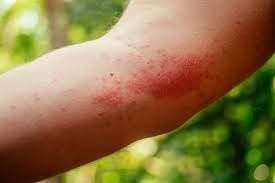
| The appearance of a common ant bite vs fire ant sting is distinctly different, making identification straightforward. A common ant (like a carpenter or pavement ant) typically leaves a single, mildly irritated red bump or welt that resembles a mosquito bite. A fire ant sting leaves a unique mark: an immediate, painful red welt that develops into a characteristic small, white, fluid-filled pustule (blister) within 24 hours. This pus-filled blister is the definitive visual marker of a fire ant sting. |
Appearance Comparison Table
Ants bite (using mandibles) and often spray formic acid, while fire ants sting (using a stinger) and inject venom. This difference in mechanism causes the dramatic difference in the resulting skin lesion.
| Feature | Common Ant Bite (e.g., Pavement Ant) | Fire Ant Sting (Solenopsis invicta) |
| Mechanism | Bite (mandibles) and spray of Formic Acid (irritant). | Sting (stinger) and injection of Alkaloid Venom. |
| Initial Pain | Mild, fleeting pain or pinch; followed by localized itch. | Immediate, sharp, burning pain (the “fire” sensation). |
| Immediate Appearance | Small, mildly swollen, red, single welt (papule). | Immediate, intense red welt with a small, pale center. |
| Appearance at 24 Hrs | Redness subsides; may develop a small, superficial crust. | Develops a characteristic white or yellow pus-filled pustule (blister). |
| Pattern | Usually scattered single bites. | Clustered on the feet or ankles (due to multiple ants stinging simultaneously). |
2. Pustule Formation (The Definitive Marker)
The formation of the white pustule is the single most reliable way to distinguish a fire ant sting from any other common insect bite or sting.
Pustule Content: The blister is initially filled with sterile fluid (not pus from an infection), which is a localized chemical reaction to the fire ant’s unique alkaloid venom.
Safety Warning: Do NOT scratch or pop this pustule. Breaking the skin introduces bacteria, which turns the sterile blister into a painful, infected wound that significantly increases the risk of scarring.
3. First Aid Focus
Common Ant Bite: Treatment is mainly focused on soothing the itch with Hydrocortisone cream and washing the area.
Fire Ant Sting: Treatment focuses on cooling the site, applying a topical steroid to suppress the reaction, and taking an oral antihistamine. Monitor closely for signs of a severe allergic reaction (difficulty breathing, rapid swelling of the throat/face).
For further information on the specific symptoms of fire ant stings, consult the American College of Allergy, Asthma & Immunology (ACAAI) guide on Insect Stings.

FAQs: Ant Bite vs Fire Ant Sting Appearance
1. How can I tell the difference between an ant bite and a fire ant sting?
Ant bite: Small red bump, mildly itchy, usually no blister.
Fire ant sting: Red bump that develops into a white pustule or blister, often with burning pain.
2. How long do fire ant stings last?
Mild stings heal in 1–2 weeks, but pustules may take longer to resolve, and itching can persist.
3. What is the treatment for ant bites?
Wash the area with soap and water
Apply anti-itch creams or calamine lotion
Take oral antihistamines if needed
4. How do I treat fire ant stings?
Clean the area to prevent infection
Apply topical corticosteroid creams for inflammation
Take antihistamines for allergic reactions
Seek medical attention for severe reactions or multiple stings
5. Can ant bites or fire ant stings cause allergic reactions?
Yes, especially fire ant stings, which can sometimes trigger anaphylaxis. Seek urgent care if there is swelling, difficulty breathing, or hives.
6. How can I prevent ant bites and fire ant stings?
Avoid areas with ant mounds
Wear protective clothing and shoes outdoors
Use insect repellents
Maintain pest control at home and garden
Final Thoughts
Ant bites and fire ant stings can look similar but differ in appearance and severity. Regular ant bites are usually mild, causing red, itchy bumps, whereas fire ant stings are more intense, often forming pustules or blisters and causing burning pain. Correct identification helps you choose the right treatment, from home remedies for mild bites to medical care for severe stings. Preventing bites with repellents, protective clothing, and proper pest control is crucial to avoid discomfort and complications.