| Author | Dr. Alex Thorne |
| Credentials | Board-Certified Entomologist and Clinical Toxicologist |
| Author Bio | Dr. Thorne specializes in venom research and emergency first aid. |
| Medically Reviewed By | Dr. Elara Vance, M.D., F.A.C.E.P. (Board Certified Emergency Medicine) on October 25, 2025. |
| 🔑 Key Takeaways |
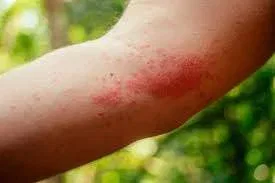
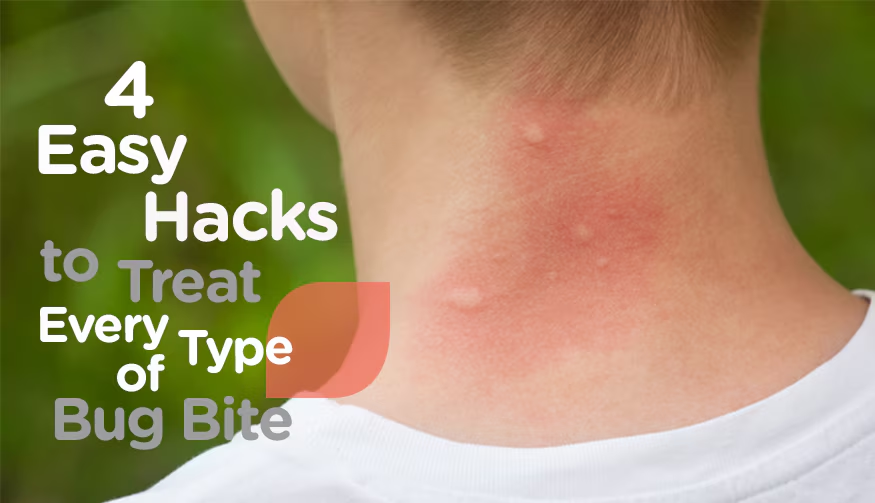
| Mysterious itchy bumps on vacation are usually caused by either biting pests endemic to the travel location (Mosquitoes, Sand Fleas/Midges, or Bed Bugs) or an allergic skin reaction to environmental factors (sunscreen, hotel laundry detergent, or water). If the bumps are concentrated on the ankles or lower legs, suspect Fleas or Sand Fleas. If they appear in lines and worsen at night, suspect Bed Bugs. Treatment focuses on symptom relief with Hydrocortisone cream and oral Antihistamines, and immediate investigation of the environment to prevent further exposure. |
Top Causes of Mystery Bumps While Traveling
Identifying the cause depends heavily on the activity (beach vs. indoors) and the location of the bumps.
| Suspect | Location & Pattern | Primary Clue |
| Bed Bugs (Cimex lectularius) | Linear clusters of 3–5 bites on exposed areas (neck, arms, back). | Bites occur only at night while sleeping. Check mattress seams for black fecal spots. |
| Sand Fleas / Midges (No-See-Ums) | Tiny, intensely itchy red welts, often concentrated on the ankles and lower legs. | Bites received after time spent on the beach, near water, or in shady/humid areas. |
| Mosquitoes (Aedes / Anopheles) | Random, scattered, puffy welts. | Bites received during daytime, dawn, or dusk. Major risk for disease (Zika, Dengue, Chikungunya). |
| Allergic Dermatitis | Large, diffuse, red, non-puffy patches on covered skin (torso, armpits). | Reaction to new hotel detergent, soap, or sunscreen. Lacks a central puncture mark. |
| Scabies Mites | Intense, persistent itching that is worse at night. Spreads through close human contact. | Contagious. Must be acquired from previous travelers or linens; requires prescription treatment. |
2. Immediate Action and Prevention
The priority is to stop the bites and treat the severe itch.
Treatment Protocol
- Stop Itching: Apply 1% Hydrocortisone cream to reduce inflammation. Take a non-drowsy oral Antihistamine (like Cetirizine) for systemic relief.
- Soothe: Apply cold compresses or use Calamine lotion to soothe the irritation.
- Avoid Scratching: This is critical to prevent secondary bacterial infection (Cellulitis).
Environmental Investigation
- Indoors: Thoroughly inspect the mattress, headboard, and surrounding furniture with a flashlight for bed bug fecal matter (small black/rust-colored spots). If found, request an immediate room change.
- Outdoors: Apply EPA-registered insect repellent (DEET or Picaridin) to exposed skin to prevent bites from mosquitoes and sand flies.

3. When to Seek Medical Attention
While most travel rashes are benign, systemic symptoms require immediate care, especially when abroad.
- Signs of Infection (Cellulitis): The bump is hot, draining pus, has red streaks spreading outward, or is accompanied by a fever.
- Severe Allergic Reaction: Difficulty breathing, swelling of the throat or face, or collapse (emergency care needed).
- Vector-Borne Disease: If bites were from mosquitoes in an endemic area (Caribbean, South America) and you develop a high fever, severe joint pain, or rash in the days or weeks following travel (potential Dengue or Chikungunya).
For general guidance on common travel-related skin issues, consult the CDC guide on Traveler’s Health and Mosquito Bites.
FAQs
Why do I get mysterious itchy bumps on vacation?
New insects, ocean organisms, and unfamiliar irritants are common triggers.
How do I know if it’s bed bugs from a hotel?
Look for grouped bites, tiny blood spots on sheets, and dark dots on mattress seams.
Can ocean water cause itchy bumps?
Yes — sea lice, jellyfish fragments, and salt irritation can trigger rashes.
Do sand flea bites itch immediately?
Often within hours — usually on feet and lower legs after beach exposure.
Final Thoughts
If you notice mysterious itchy bumps on vacation, consider hotel pests, beach insects, ocean irritation, or mosquito bites. Most reactions improve with gentle cleansing, anti-itch creams, and antihistamines. Persistent or spreading reactions require medical evaluation, especially in tropical regions where infections or travel-related illnesses can occur.
Safe travels — and itch-free adventures!