| Author | Dr. Alex Thorne |
| Credentials | Board-Certified Entomologist and Clinical Toxicologist |
| Author Bio | Dr. Thorne specializes in venom research and emergency first aid. = |
| Medically Reviewed By | Dr. Elara Vance, M.D., F.A.C.E.P. (Board Certified Emergency Medicine) on October 25, 2025. |
| 🔑 Key Takeaways |
| The primary safety concern when removing a Kissing Bug (Triatomine bug) is preventing contact with its feces, which can carry the parasite (Trypanosoma cruzi) that causes Chagas disease. Never touch the bug with bare hands. If you find one, the safest method is to capture it using a container or plastic bag, seal it, and clean the area with soap and water or a bleach solution. For recurring infestations, professional pest control and sealing all cracks and gaps in the home’s structure are the most effective long-term strategies. |
Safe Protocol for Bug Removal
Chagas disease is transmitted when the bug defecates near the bite wound, and the feces are rubbed into the skin or mucous membranes (eyes, mouth). Avoiding contact with the bug’s body and its droppings is paramount.
| Step | Action | Rationale |
| 1. Capture Safely | Do NOT touch the bug. Use a glove, a rigid container (jar/vial), or a plastic bag to scoop up the insect. | Prevents the parasite from contaminating your hands or the surrounding area. |
| 2. Preserve for Testing | Seal the bug in the container. You may consider freezing it for a few hours to kill it while preserving its body for potential identification or testing for the T. cruzi parasite. | A professional entomologist or state health department may need to identify the exact species and test for the parasite. |
| 3. Clean the Area | Immediately clean the surface where the bug was found (including bedding, floors, or walls) using soap and water or a bleach solution (following safety guidelines for bleach use). | Removes any invisible traces of bug feces that may contain the parasite. |
Note on Bites
If you suspect you have been bitten, wash the bite site with soap and water immediately and monitor for systemic symptoms (fever, body aches, swelling near the eye).
2. Preventing Infestation and Systemic Risk
The most effective Kissing Bug removal safety strategy is to prevent them from entering the home in the first place, as they often hide in dark, cluttered areas near pet sleeping sites or human beds.
| Prevention Strategy | Action | Rationale |
| Exclusion | Seal all cracks and gaps in the house, particularly around utility lines, windows, doors, and foundation cracks. Repair damaged screens. | Kissing bugs commonly invade homes through small structural openings. |
| Source Reduction | Remove wood piles, rock piles, and leaf debris immediately adjacent to the house. Clean dog kennels and animal resting areas regularly. | These are outdoor habitats where the bugs hide and feed on wildlife hosts. |
| Light Control | Turn off bright outdoor lights at night, or switch to “bug lights” (yellow spectrum) near entryways. | Kissing bugs are attracted to outdoor lights and may fly or crawl into the home. |
| Professional Help | Consult a licensed pest control professional for outdoor insecticide perimeter treatments. | This is the most effective way to manage an outdoor population attempting to invade the home. |

3. Seeking Medical and Entomological Advice
If you have found a Kissing Bug, follow-up is recommended to assess the risk of Chagas disease transmission.
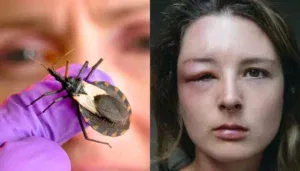
- Medical Consultation: Consult a healthcare provider if you have been bitten and develop flu-like symptoms, fever, or swelling of one eye (Romaña’s sign) in the weeks following the bite, especially if you live in the southern half of the U.S., Central, or South America.
- Bug Identification: Contact your local Cooperative Extension service or state health department. They can often identify the bug species and may be able to test it for the T. cruzi parasite.
For more information on safely handling and identifying the Triatomine bug, consult the Texas A&M University FAQ on Kissing Bugs and Chagas Disease.
FAQs
Are kissing bugs dangerous?
Yes — some carry the Chagas parasite, making kissing bug removal safety important.
Can kissing bugs be killed?
Yes, but avoid crushing. Kill by freezing in a sealed bag or hand to professionals.
Do kissing bugs live indoors?
They enter homes seeking warmth and hosts. Attic cracks, crawl spaces, and pet bedding are common hiding places.
Final Thoughts
Proper kissing bug removal safety reduces disease risk and prevents spreading insects indoors. Never crush kissing bugs, always handle with gloves and tools, and disinfect the area afterward. Contact pest control or public health officials if you find multiple bugs. With awareness and smart precautions, you can protect your family and maintain a safe home environment.