| Author | Dr. Alex Thorne |
| Credentials | Board-Certified Entomologist and Clinical Toxicologist |
| Author Bio | Dr. Thorne specializes in venom research and emergency first aid. |
| Medically Reviewed By | Dr. Elara Vance, M.D., F.A.C.E.P. (Board Certified Emergency Medicine) on October 25, 2025. |
| 🔑 Key Takeaways |
| Symptoms of tick-borne illness are often non-specific, resembling the flu, and typically appear days to weeks after a bite. The most common early symptoms are fever, severe headache, and fatigue. Because these diseases can progress to severe heart, joint, or neurological complications if left untreated, you must seek medical attention immediately if you develop these symptoms of tick-borne illness after spending time outdoors, even if you did not see a tick. Early antibiotic treatment is critical for conditions like Lyme disease and Rocky Mountain Spotted Fever. |
Common Early Symptoms (Mimicking the Flu)
The most common symptoms of tick-borne illness manifest when the bacteria or virus begins to spread systemically, usually 3 to 14 days after the bite.
| Symptom Category | Details | Significance |
| Fever & Chills | Sudden onset of fever, often without a cough or other cold symptoms. | A persistent, unexplained fever is a key indicator of symptoms of tick-borne illness. |
| Aches & Pains | Severe headache, muscle aches (myalgia), and joint pain (arthralgia). | These flu-like symptoms are typical of conditions like Lyme disease and Ehrlichiosis. |
| Fatigue | Extreme tiredness, lethargy, or malaise that is not relieved by rest. | This is one of the most common and lingering symptoms of tick-borne illness. |
2. Key Symptoms of Specific Tick-Borne Illnesses
While many diseases share general symptoms, certain visible signs are characteristic of specific infections.
| Illness | Key Distinguishing Symptom | Onset Time |
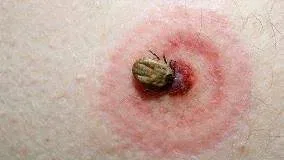
| Lyme Disease | Erythema Migrans (Bull’s-eye Rash). An expanding red rash (may be uniform or have central clearing) that is usually flat and non-itchy. | 3 to 30 days after the bite. |
| Rocky Mountain Spotted Fever (RMSF) | A spotty, non-itchy rash that first appears on the wrists, ankles, palms, and soles, and then spreads inward. | 2 to 14 days after the bite. Rapid treatment is necessary. |
| Ehrlichiosis / Anaplasmosis | High fever, severe headache, confusion, and low white blood cell count. Rash is less common than with RMSF. | 1 to 2 weeks after the bite. |
3. When to Seek Medical Attention (Urgent)
Testing for tick-borne diseases can take time, and initial blood tests are often negative in the early phase. Therefore, treatment should begin immediately based on the clinical suspicion and symptoms of tick-borne illness.
Call a Doctor Immediately if:
- You find an expanding rash (bull’s-eye or uniform) after a known or suspected tick bite.
- You develop flu-like symptoms (fever, severe headache, body aches) within a few weeks of being in a tick-endemic area.
- Severe Symptoms: Any neurological symptoms (confusion, facial droop/paralysis, neck stiffness), severe joint swelling, heart palpitations, or shortness of breath.
Treatment: Early stage diseases like Lyme, RMSF, and Ehrlichiosis are highly treatable with antibiotics (Doxycycline) if caught early. Delaying treatment can lead to chronic, debilitating complications.
For a comprehensive guide to recognizing various diseases transmitted by ticks, consult the Centers for Disease Control and Prevention (CDC) page on Tickborne Diseases.
FAQs
How soon do symptoms of tick-borne illness appear?
Symptoms may begin 3–30 days after a bite, depending on the disease.
Do all tick diseases cause a rash?
No. Some show flu-like symptoms only, so monitor your health closely.
Can you have tick disease without knowing you were bitten?
Yes — ticks can be tiny, so remain alert for symptoms of tick-borne illness.
Final Thoughts
The symptoms of tick-borne illness can mimic flu or fatigue, so early recognition is key. If you develop fever, aches, or a rash after a tick bite, do not ignore it. Quick medical care helps prevent long-term complications like chronic joint pain, nerve damage, and heart problems. When in doubt, get evaluated — early treatment saves lives.