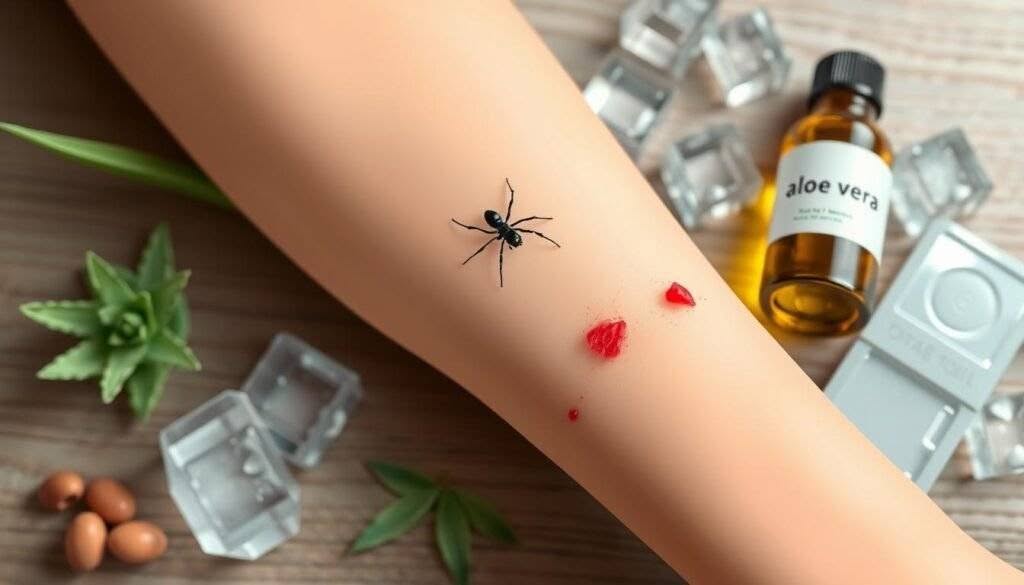
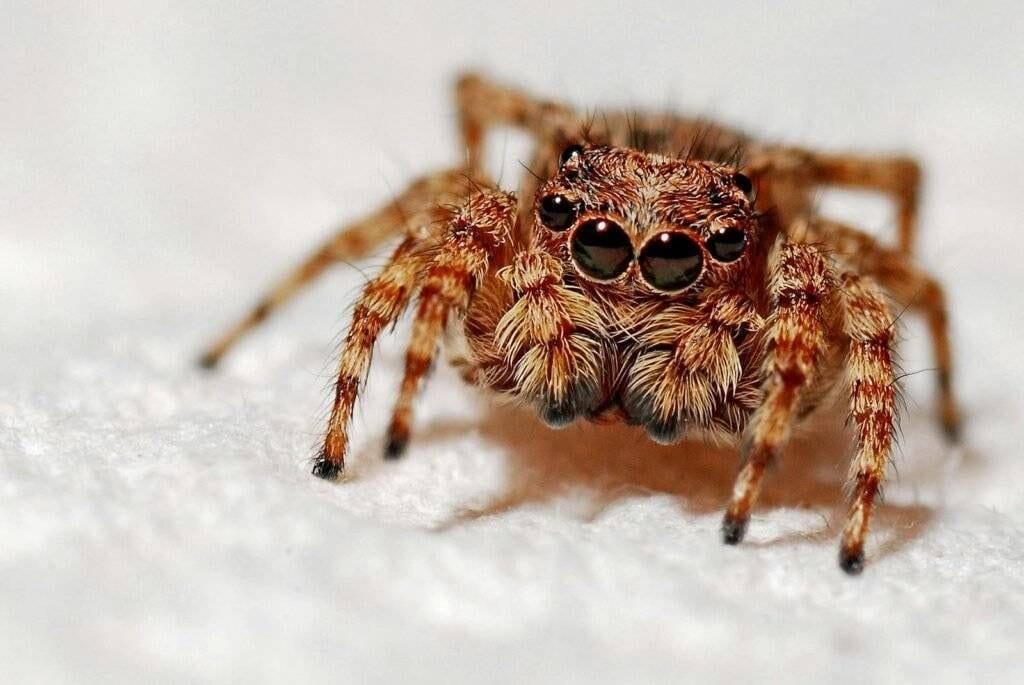
Spider bites can range from harmless to potentially dangerous, depending on the species and the person’s immune response. While many spider bites cause mild redness or swelling, some individuals may experience an allergic reaction to spider bites, which can become serious if not addressed promptly. This guide covers everything you need to know—from symptoms and causes to treatment and prevention.
Understanding Allergic Reactions to Spider Bites
An allergic reaction to a spider bite occurs when the immune system overreacts to venom or other substances in the spider’s saliva. While most spiders are not venomous to humans, bites from certain species—such as black widows, brown recluses, or hobo spiders—can trigger severe immune responses in sensitive individuals.
Common Symptoms of Allergic Reaction to Spider Bites
Recognizing the signs early can help prevent complications. Symptoms may include:
Localized swelling and redness beyond the bite area
Itching or rash that spreads
Hives or raised welts on the skin
Burning or stinging sensation at the bite site
Pain that intensifies over hours
Blister formation or necrotic skin (in severe cases)
In some cases, symptoms may progress to systemic allergic reactions, which require urgent medical care.
Severe Allergic Reaction (Anaphylaxis) Warning Signs
Anaphylaxis is a life-threatening condition that can occur in rare cases. Watch for:
Difficulty breathing or shortness of breath
Swelling of the lips, tongue, or throat
Rapid heartbeat or palpitations
Dizziness or fainting
Nausea, vomiting, or diarrhea
If these occur after a spider bite, call emergency services immediately.
Causes of Allergic Reaction to Spider Bites
Several factors can influence the likelihood of an allergic reaction:
Spider species: Venomous spiders are more likely to cause reactions.
Individual sensitivity: People with insect venom allergies are at higher risk.
Immune system health: Weakened or overactive immune systems can respond more severely.
Previous exposure: Past bites can sensitize the immune system, leading to stronger reactions in the future.
Immediate First Aid for Allergic Reaction to Spider Bites
If you suspect an allergic reaction, follow these steps:
Move to safety – Avoid further contact with the spider.
Clean the bite – Wash with soap and water to reduce infection risk.
Apply a cold compress – Reduces swelling and numbs pain.
Elevate the affected limb – Helps reduce inflammation.
Take an antihistamine – Helps control itching and allergic symptoms.
Monitor for worsening symptoms – Seek medical help if symptoms escalate.
Medical Treatment Options
Doctors may recommend treatments depending on severity:
Antihistamines for mild allergic reactions
Corticosteroid creams to reduce inflammation
Epinephrine injection (EpiPen) for anaphylaxis
Antibiotics if the bite becomes infected
Pain relievers for discomfort
Prevention Tips for Spider Bites and Allergic Reactions
Keep your home clean and clutter-free to avoid attracting spiders.
Shake out clothes, shoes, and bedding before use.
Wear gloves and protective clothing when working in spider-prone areas.
Use pest control measures if infestations are present.
Be cautious when traveling or camping in areas known for venomous spiders.
When to See a Doctor
You should seek medical attention if:
The bite site shows signs of infection
You experience spreading redness, swelling, or pain
You develop fever or chills
You have difficulty breathing or swallowing
Final Thoughts
An allergic reaction to spider bites can range from mild to life-threatening. While most bites heal on their own, it’s essential to know the symptoms of severe allergic responses and act quickly. Taking preventive measures and seeking timely treatment can make all the difference.