







Newsletter Subscribe
Enter your email address below and subscribe to our newsletter

All voices matter

 ByQamar
An estimated two million people in the United States seek medical attention annually for insect stings, encountering local or systemic symptoms triggered by venom injection from bees, wasps, and hornets. When a person experiences a stinging encounter, immediate reactions can range from mild local pain to severe systemic emergencies. Navigating the proper steps for immediate relief requires clear medical direction. According to data provided by Harvard Health, these stinging insects inject complex toxins that immediately provoke localized pain, redness, and itching at the site of the wound. Understanding how to manage these exposures safely ensures better health outcomes and prevents unnecessary complications.
When an insect sting occurs, the initial moments are critical for minimizing the physiological impact of the injected venom. According to guidelines established by the American Academy of Dermatology, the very first priority is to calmly leave the immediate area where the insect was disturbed to prevent multiple subsequent stings. Many stinging insects, particularly social wasps and hornets, release pheromones upon stinging that can signal other colony members to attack. Moving away from the zone of activity protects the victim from escalating danger.
Once a safe location is reached, the next step involves evaluating whether a stinger remains embedded in the skin. Honeybees leave behind a barbed stinger attached to a venom sac that can continue pumping toxins into the tissue for several seconds after the initial puncture. Promptly removing this stinger reduces the total volume of venom delivered into the body. However, the method of removal matters. The American Academy of Dermatology advises scraping the stinger out gently using a fingernail or a rigid edge, such as a credit card or the dull side of a knife blade.
People frequently make the mistake of pinching the stinger with tweezers or fingers to pull it out. Medical experts strongly advise against squeezing the stinger because this compressive action can force the remaining venom sac to empty its contents completely into the skin, intensifying the local reaction. Scraping bypasses this risk by lifting the stinger horizontally out of the follicle without applying pressure to the attached venom reservoir.
After successfully removing the stinger, sanitizing the wound area is necessary to prevent secondary bacterial infections. The affected skin should be washed thoroughly with mild soap and clean running water. This mechanical cleansing removes surface bacteria, dirt, and any residual venom traces left on the epidermis.
Once the area is clean, addressing the localized pain and swelling becomes the primary focus. Applying a cold pack or ice wrapped in a clean cloth to the sting site helps constrict local blood vessels. This vasoconstriction slows down the absorption of venom into the surrounding bloodstream and reduces acute swelling and discomfort. Standard clinical protocols, such as those outlined by MedlinePlus, recommend applying the wrapped cold pack for ten minutes, followed by a ten-minute break, repeating this cycle as needed during the first hour.
Elevating the affected limb, if the sting occurred on an arm or a leg, also helps minimize swelling by using gravity to prevent fluid accumulation around the wound site. Over-the-counter oral antihistamines can be administered to help control itching and localized hives, while topical calamine lotion or hydrocortisone cream may provide additional comfort for persistent skin irritation.
It is helpful to recognize the timeline and physical boundaries of a normal reaction versus an abnormal or allergic reaction. According to data from the American Academy of Pediatrics, typical localized pain and sharp stinging sensations commonly last for one to two hours following the event. However, swelling can continue to increase for up to forty-eight hours after the initial sting, frequently surprising individuals who assume the reaction should have plateaued immediately. Mild swelling and localized redness often persist for about seven days before resolving entirely.
Large local reactions can also occur without indicating a systemic allergy. In these instances, swelling may encompass a wider area, such as an entire forearm or lower leg, peaking around forty-eight hours and gradually subsiding over five to ten days. While dramatic in appearance, this type of reaction is generally non-life-threatening and is treated similarly to smaller local stings with cold therapy, elevation, and oral antihistamines.
Conversely, toxic reactions can occur if an individual receives multiple stings simultaneously, resulting in a massive dose of venom entering the system. Symptoms of a toxic reaction include gastrointestinal distress, headache, dizziness, fever, and general malaise. These systemic symptoms stem from the chemical properties of the venom itself rather than an immune-mediated allergic response.
While most insect stings cause only localized discomfort, a small percentage of the population develops a severe, life-threatening allergic response known as anaphylaxis. Recognizing the signs of anaphylaxis is vital because prompt intervention with epinephrine and emergency medical services can save a life.
According to emergency medical guidance published by the HRSA Poison Help service, individuals experiencing difficulty breathing, swelling of the tongue, throat, or lips, wheezing, or hoarseness require immediate emergency assistance. Additional systemic red flags include widespread hives, nausea, vomiting, diarrhea, rapid pulse, dizziness, confusion, or a sudden drop in blood pressure.
If someone is unsure what caused a bite or sting, or if they exhibit any signs of a systemic reaction, calling the poison help hotline at 1-800-222-1222 connects callers with specialized medical professionals who can provide immediate guidance on whether emergency room transport is necessary. For individuals with a known history of severe insect allergies, carrying an epinephrine auto-injector at all times and knowing how to administer it correctly is a cornerstone of emergency preparedness.
Minimizing the risk of insect stings involves practical behavioral adjustments, particularly during the warmer months when bees, wasps, and hornets are most active. Insects are frequently attracted to sweet foods, open beverages, garbage cans, and strongly scented personal care products such as perfumes, hairsprays, and scented lotions.
When dining outdoors, keeping food covered and inspecting cups or cans before drinking prevents accidental stings inside the mouth or throat, which present severe medical risks due to rapid airway swelling. Wearing light-colored, smooth-fitting clothing that covers the arms and legs reduces skin exposure and makes wandering insects less likely to land unnoticed. Avoiding bright floral prints and barefoot walking in grassy areas further decreases the likelihood of startling foraging insects.
If an aggressive insect approaches, the best course of action is to remain calm and avoid swatting or making sudden, erratic movements. Swatting often provokes defensive stinging behavior. Instead, gently brush the insect away or slowly walk away from the area until a safe distance is achieved.
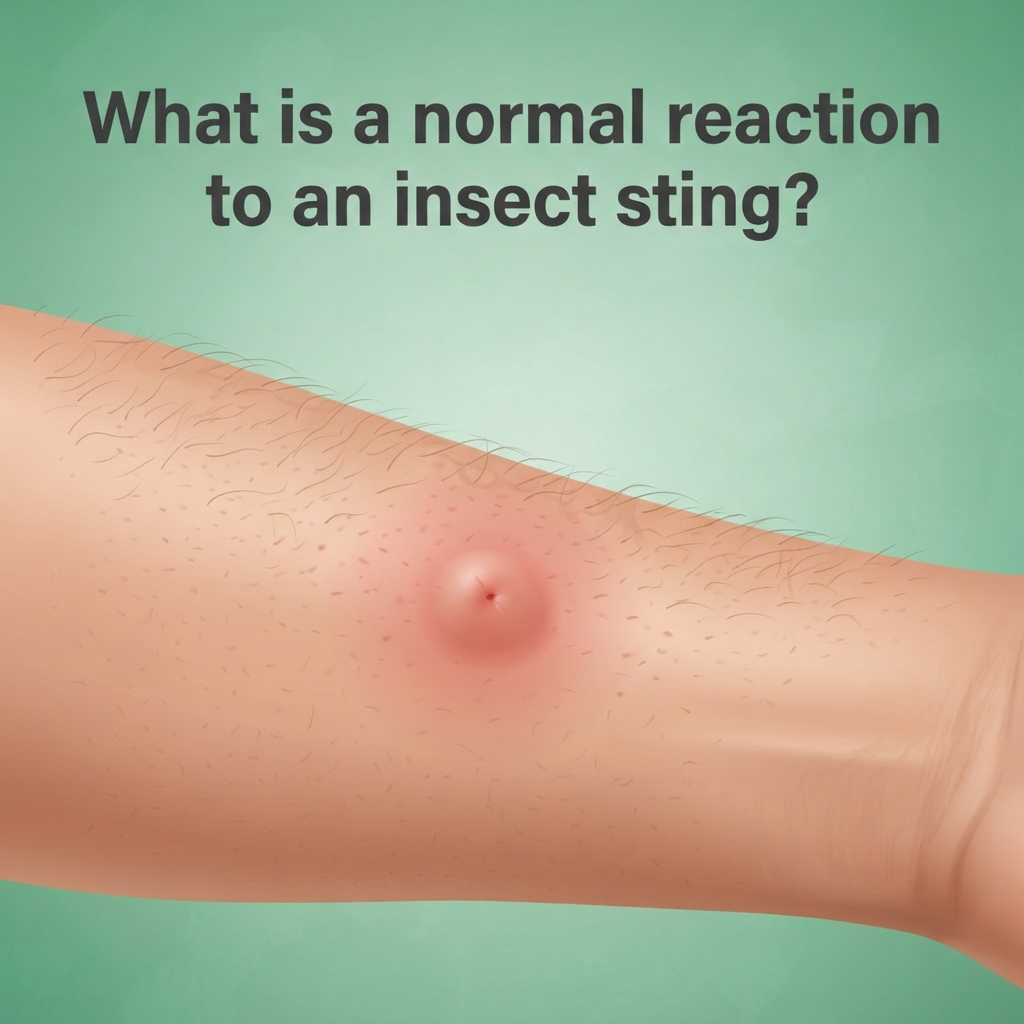
!What is a normal reaction to an insect sting?
A normal reaction involves immediate sharp pain, followed by localized redness, mild swelling, and itching at the site. According to pediatric clinical data, acute pain usually subsides within one to two hours, while localized swelling can continue to expand for up to forty-eight hours and may persist for roughly seven days before resolving completely.
The stinger should be gently scraped out of the skin using a fingernail or a rigid edge like a credit card. The American Academy of Dermatology advises against using tweezers or fingers to pinch and pull the stinger, as squeezing can release additional venom from the attached sac into the tissue.
Squeezing a stinger compresses the venom sac attached to the end of the stinger. This action forces more venom into the skin, intensifying both the localized pain and the inflammatory reaction. Scraping removes the stinger safely without applying pressure to the venom reservoir.
Severe allergic reactions, or anaphylaxis, manifest as difficulty breathing, swelling of the lips, tongue, or throat, widespread hives, dizziness, rapid pulse, nausea, and a drop in blood pressure. These symptoms require emergency medical care and the administration of epinephrine without delay.
Poison control should be contacted if there is uncertainty regarding the source of the sting, if multiple stings have occurred, or if symptoms are confusing or escalating. The HRSA Poison Help service can be reached at 1-800-222-1222 for immediate professional medical triage and guidance.
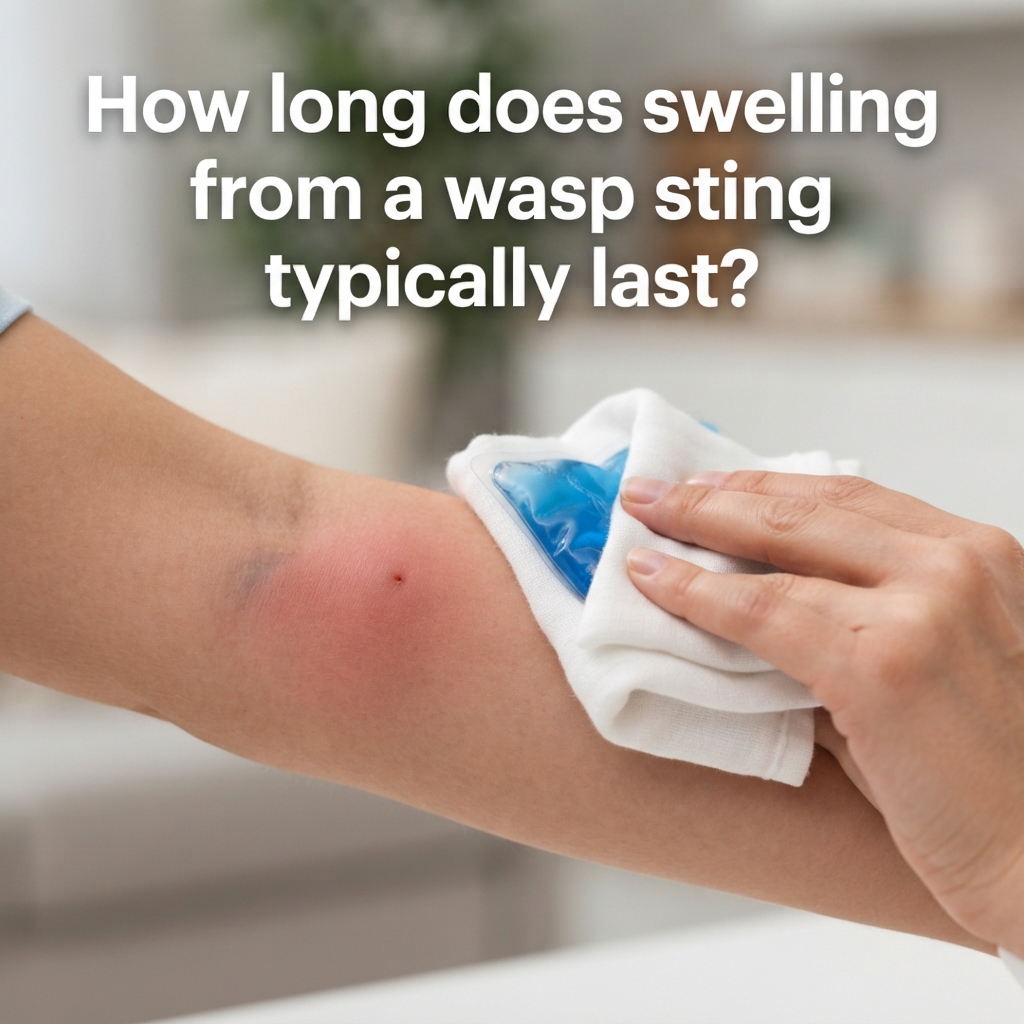
!How long does swelling from a wasp sting typically last?
While acute pain fades quickly, swelling can worsen for up to forty-eight hours and often lasts for about a week. Applying cold packs intermittently during the first hour and elevating the affected area helps manage this normal inflammatory response effectively.
For individuals who have experienced a systemic reaction or anaphylaxis following an insect sting, long-term medical management is necessary to prevent future life-threatening incidents. Once an individual has suffered an IgE-mediated allergic reaction to venom, the risk of experiencing a similar or even more severe reaction upon subsequent stings is higher. Medical professionals typically recommend consulting an allergist or immunologist for specialized testing and treatment planning.
Allergy testing, which may include skin prick testing or intradermal testing, helps identify the specific insect venom responsible for the reaction. Following identification, patients are frequently evaluated for venom immunotherapy, commonly known as allergy shots. This therapeutic process involves receiving regular, controlled injections of diluted insect venom over a period of several years. Over time, immunotherapy desensitizes the immune system, dramatically lowering the likelihood of a severe systemic reaction if the patient is stung again in the future.
In addition to immunotherapy, patients who have experienced systemic allergic symptoms are prescribed an epinephrine auto-injector. Educating both the patient and their family members, coworkers, or school personnel on the proper technique for using the auto-injector is a critical component of safety planning. Epinephrine works rapidly to constrict blood vessels, relax smooth muscles in the airways to improve breathing, and reduce swelling and hives. Because the effects of epinephrine can wear off or a biphasic reaction can occur hours later, any person who receives an epinephrine injection must seek emergency medical evaluation immediately, even if their symptoms appear to have completely resolved.
People whose occupations or recreational hobbies require spending extended periods outdoors face a heightened risk of regular exposure to stinging insects. Landscapers, gardeners, agricultural workers, construction crews, and forestry professionals must incorporate safety protocols into their daily routines to minimize the likelihood of stings. Employers and workers should inspect outdoor work areas—such as hollow logs, dense brush, under eaves, and inside equipment sheds—for hidden nests before beginning tasks that disturb the environment.
When working in areas with high insect populations, wearing appropriate personal protective equipment, such as long sleeves, long pants, work gloves, and closed-toe footwear, provides a physical barrier against stings. It is also advisable to avoid wearing sweet-smelling colognes, scented soaps, or bright clothing that might inadvertently attract foraging bees and wasps. Maintaining a well-stocked first aid kit on job sites that includes supplies for scraping out stingers, clean water, and wrapped cold packs ensures that initial first aid can be administered without delay should an incident occur.
For recreational campers, hikers, and outdoor enthusiasts, similar precautions apply. Setting up tents away from visible insect nests, keeping food tightly sealed in containers, and properly disposing of garbage in designated receptacles prevents attracting pests to campsites. By combining environmental awareness, proper protective apparel, and immediate adherence to established first aid guidelines, individuals can safely enjoy outdoor environments while effectively managing the risks associated with stinging insects.
Encounters with stinging insects require a balanced approach combining environmental awareness, calm execution of first aid, and vigilance regarding allergic complications. Whether addressing a minor outdoor nuisance or managing a systemic health emergency, understanding the physiological mechanisms of stings ensures appropriate action.
Reviewing core safety steps reinforces effective response habits:
By adhering to these evidence-based guidelines established by medical authorities, individuals can protect their health, support others effectively during an emergency, and minimize the risks posed by stinging insects in daily life.
Unlike mosquitoes or ticks, bees, wasps, and hornets do not transmit vector-borne infectious diseases through their stings. Their stings deliver venom designed for defense or predation, causing localized pain, swelling, and allergic reactions rather than transmitting pathogens.
A sting inside the mouth, tongue, or throat is a medical emergency due to the high risk of rapid airway swelling, which can obstruct breathing. Individuals should seek immediate emergency medical care, even if no other symptoms of anaphylaxis are present at the moment of the sting.